
Behind the scenes at the repair shops of the Durango & Silverton Narrow Gauge Railroad
Behind-the-scenes shop tour at the Denver & Rio Grande Narrow Gauge Railroad
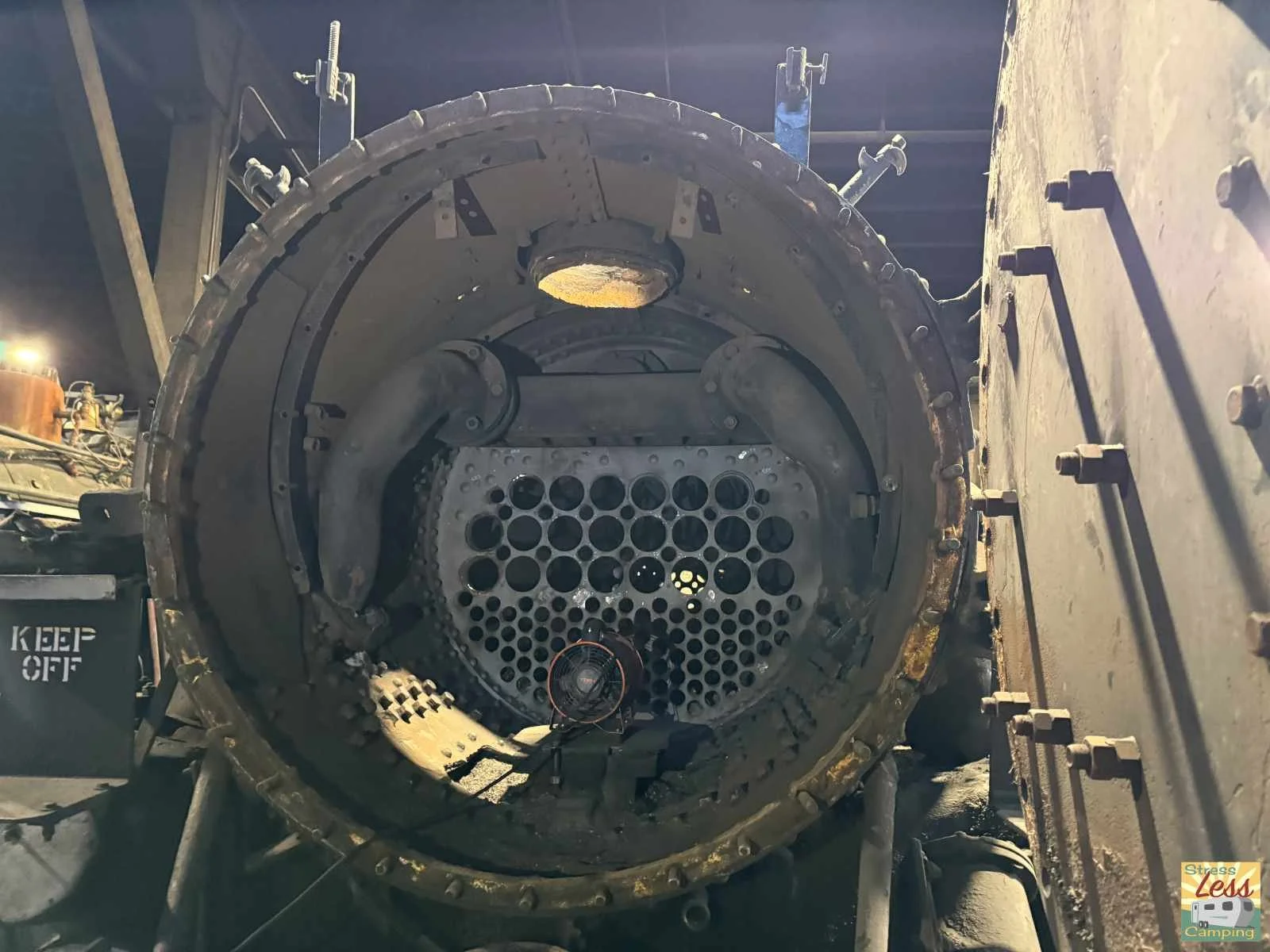
I got to tour the back shops of the Durango and Silverton Narrow Gauge Railway thanks to Peggy’s friend whose son, Will, is the assistant foreman of the shops. Thanks to Peggy being a Girl Camper, I got to go play with trains, essentially.

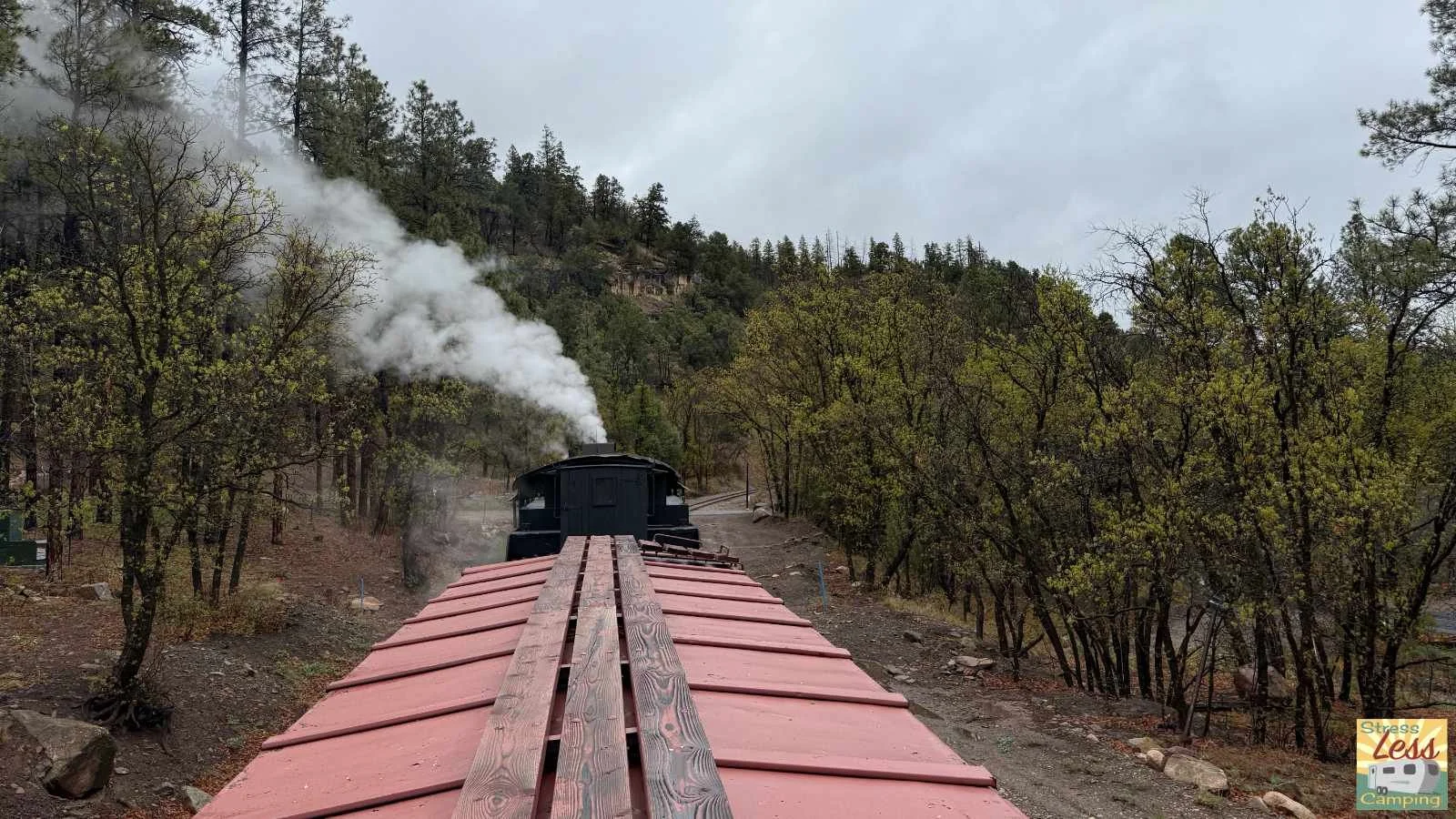
The Durango & Silverton Narrow Gauge Railway is actually the largest operating steam shop in the U.S. and regularly runs steam locomotives through the mountains of Colorado. These trains lead tourists from Durango, at 6,512 feet of elevation, up to Silverton at 9,318 feet along about 45 miles of track through some incredible mountain scenery.
I would guess that most of the folks enjoying the beautiful mountain scenery along the 45 miles of track have little idea what it takes to keep these historic machines running every day of the week.
Not only does it take a crew of very specialized people keeping these steam locomotives running in the shops but to operate a steam locomotive is also an art form as well. In addition to the locomotives there are crews who rebuild the rail cars and keep them looking beautiful and running smoothly. It’s quite an effort.
The cool thing about their shops is that they do still use a roundhouse which is a traditional type of repair shop for locomotives centered around a track that rotates and enables the team to drive the locomotive into one of the bays that surround the rotating track.
Inside the roundhouse are all the tools and facilities to keep these steam locomotives steaming. While there is an incorrect assumption that these big, heavy beasts can run for long periods of time but these ancient machines actually require a tremendous amount of work to keep them going.
Our host, Will, said that sometimes these locomotives come in after a day of running folks up and down the mountain and actually don’t need any repairs, but that’s not typical.
You’ve got to think that these are 100 years old or older and steam locomotives, in general, are always needing something repaired. The amount of maintenance, fiddling, lubrication, adjustments, alignments and more to keep a steam engine on the line is incredible and the Durango & Silverton have quite a few of these.
The machine shops at the Durango & Silverton are incredible with the ability to machine parts of all sizes including the wheels that go under the locomotive. Yes, the show can true these wheels so they run more smoothly. I was particularly fascinated by the lathe that can turn a locomotive wheel.






Here’s a bit of trivia - did you know locomotives actually have tires? Of course they’re not rubber but there is a metal ring around the wheels of a locomotive that is called a tire. To get this ring on the wheel they heat the ring up such that it expands and then it’s forced onto the wheel. It then cools and forms a tight fit around the wheel itself. Pretty interesting stuff to me.
Not only is there almost constant maintenance of these beautiful machines but they burn thousands of gallons of oil going up and down the mountain along with a tremendous appetite for water.
It’s also intriguing when you think that the company that made them went out of business decades ago so there’s no simply calling for a repair part. The shops have to make any repair part they need and they’ve got one heck of a great machine shop to do just that.
While coal used to be the fuel of choice all the locomotives currently in service have been converted to burn oil and, specifically, used motor oil. In a nod to recycling the Durango & Silverton buys motor oil that had been used in the engines of cars and trucks which has been cleaned up and is burned in the locomotives. This is a much better use of this used motor oil than simply disposing of it which is what often happens.
In addition to being regularly available, burning used motor oil also has the significant advantage of not dropping “clinkers” or shooting sparks along the route, especially important as I write this with the very dry conditions the west is experiencing including Colorado.
In addition to a very busy shop and regular trains running up and down the mountain there is also a museum you can stroll through at no cost. There are all sorts of examples of early transportation from trains to vehicles. There are also archives, displays and more and it’s an enjoyable way to spend time.
Naturally there’s also a model railroad running and they’ve put steps up to the display so even little engineers can see the HO gauge trains running.
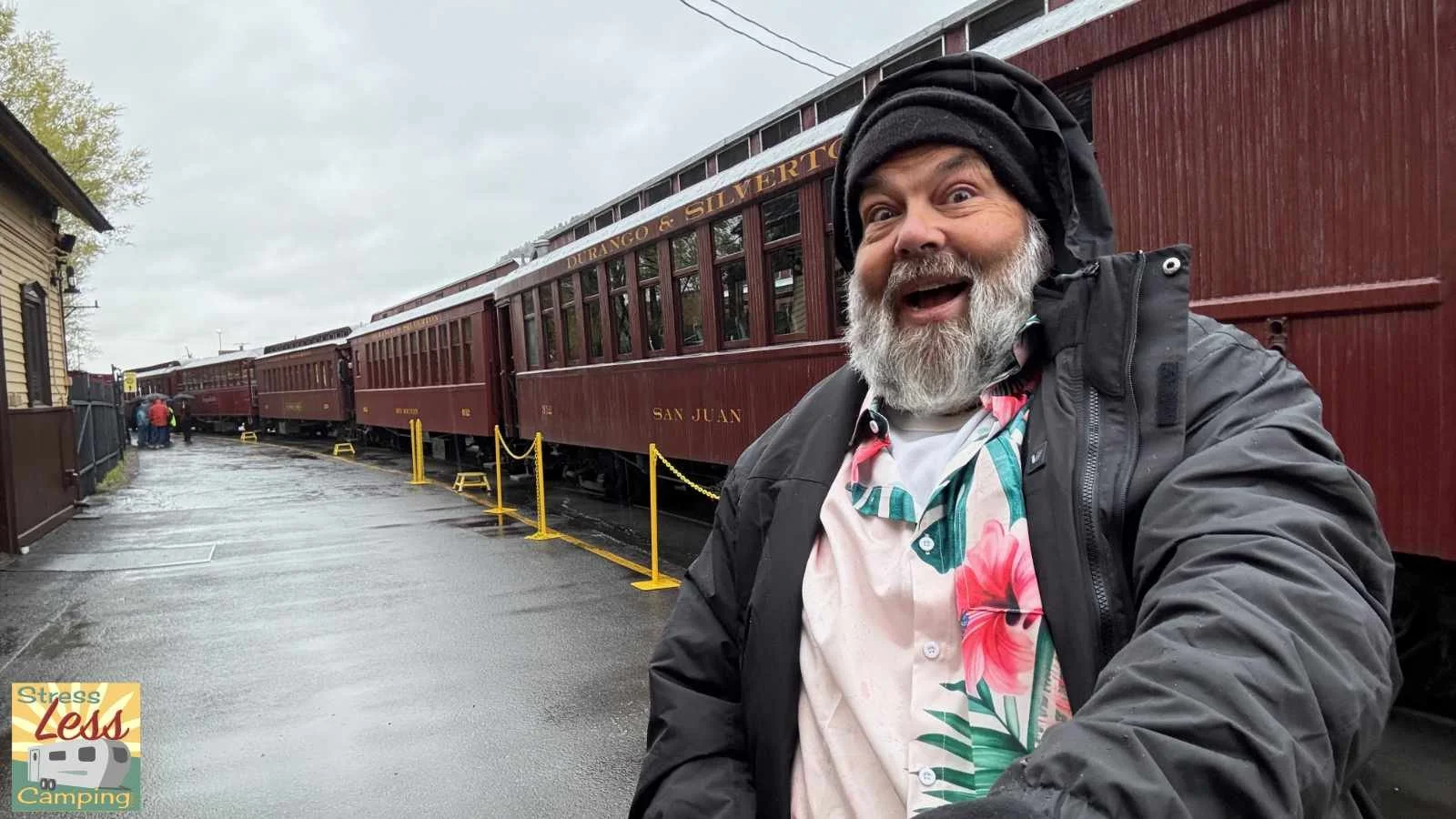
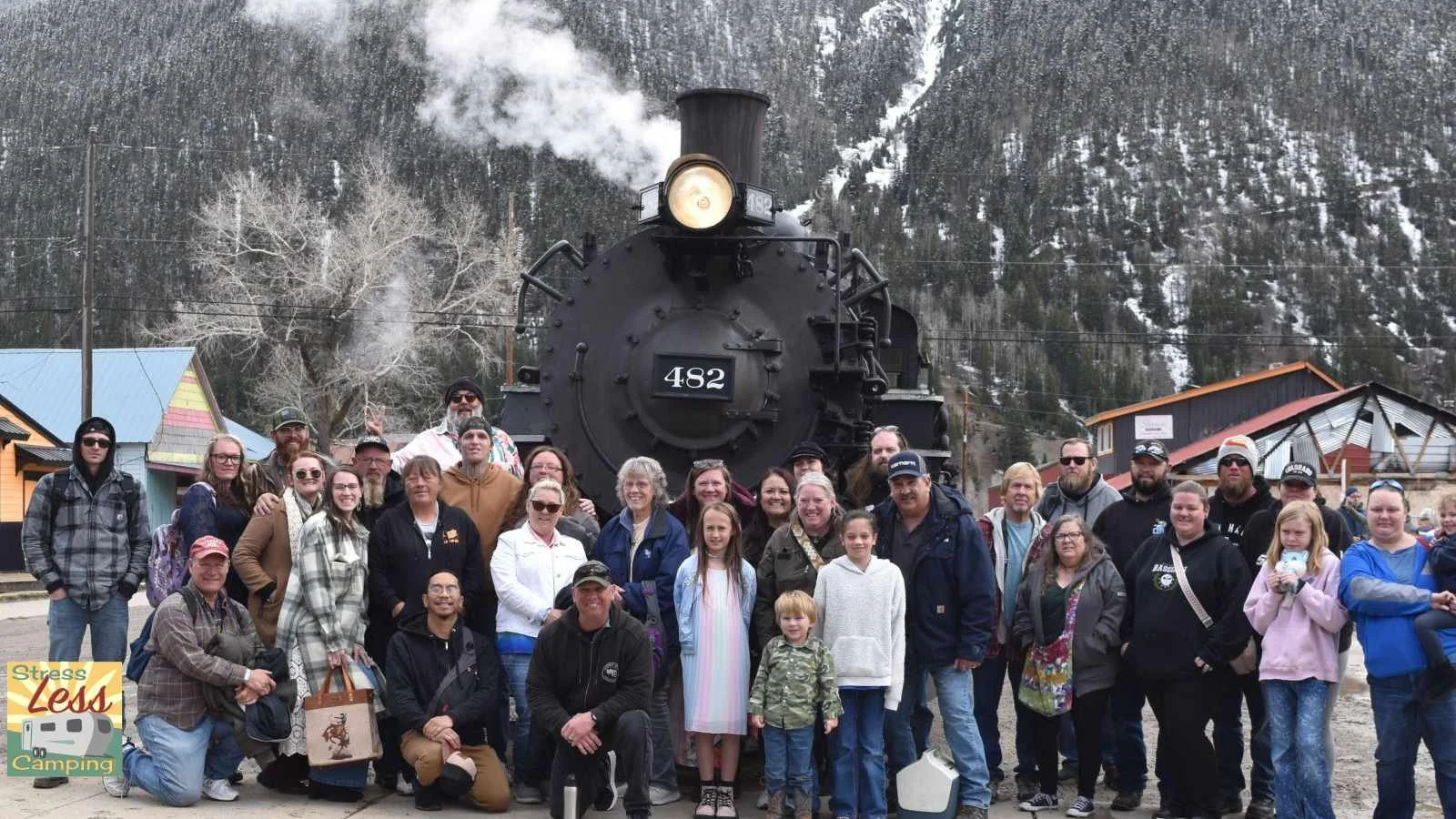
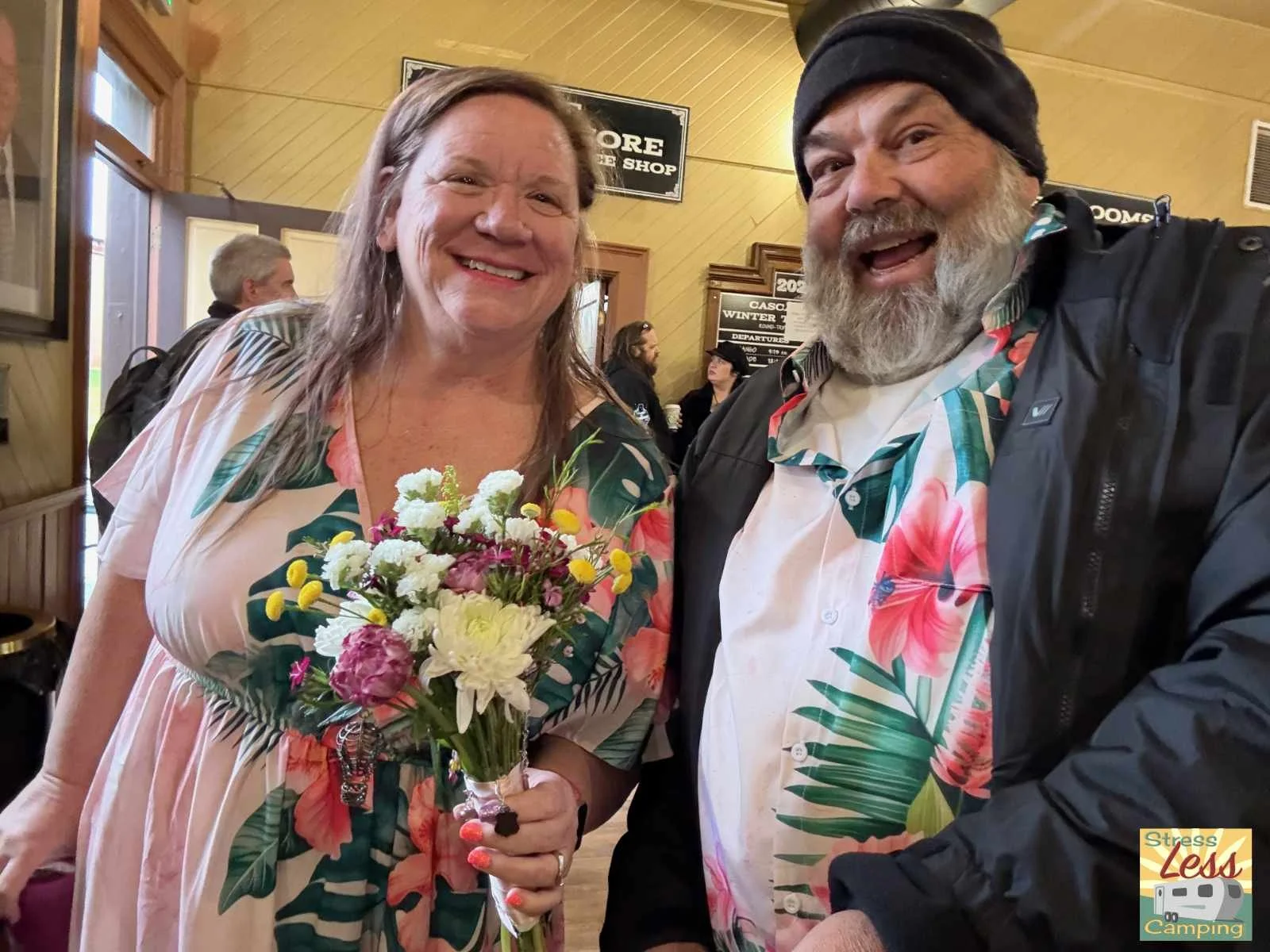
In 2025, to celebrate our 20th wedding anniversary, Peggy and I got remarried aboard the Durango and Silverton. Our niece, Sarah, was our officiant in a turn about - I was Sarah and Dalton’s officiant at their wedding.
We had a huge family along for the ride up the mountain with all but three seats filled in the car as Peggy and I re-celebrated our vows. It was a very special day.
On the subject of maintenance, to get over the fact that a train uses steel wheels on a steel track you can blow sand down on the track which adds to the traction for the train. When we were going up the hill to Silverton the sander on the locomotive wasn’t working properly and they had to make a quick repair before we could get rolling again.
As regular readers will know I regularly talk about trains and we have stayed at a number of railroad locations. In fact many operations have partnered with Harvest Hosts so that you can stay in your RV while surrounded by trains. That’s one of the best aspects of Harvest Hosts - there are stays for just about any sort of interest you could imagine.