McLean Texas - The Devil's Rope and Texas Route 66 Museum
For years we’ve seen the signs advertising the Devil’s Rope barbed wire museum just outside of Shamrock, Texas and wanted to visit. But, you know, we were on our way somewhere and had to move on. Finally we got to stop and give the museum a tour. The stop was well worth it.
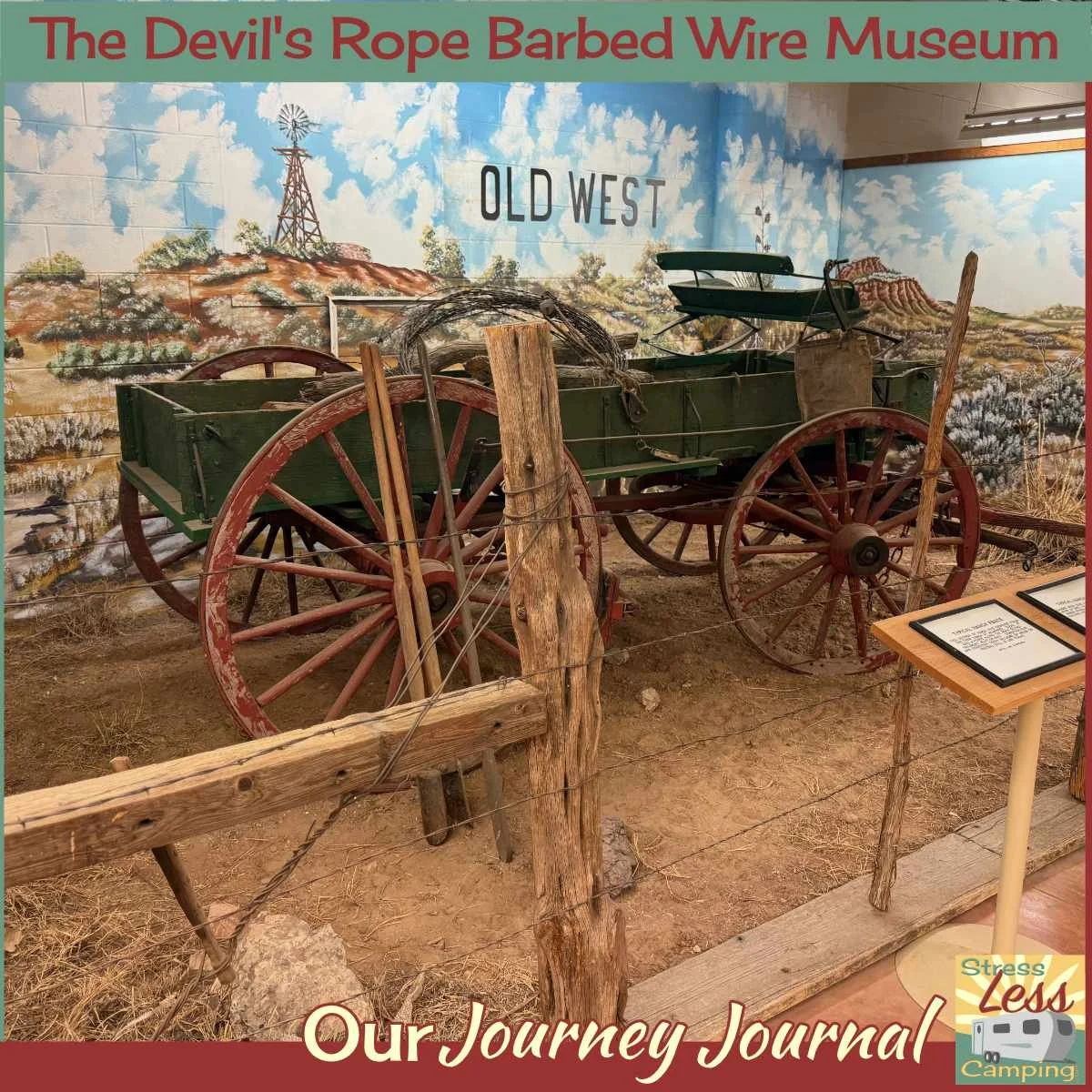
The Devil’s Rope Museum is dedicated to the history of barbed wire and its impact on the American West.The museum takes its name from the nickname given to barbed wire by cowboys and ranchers.
When it first appeared on the Great Plains, barbed wire was a revolutionary way to control livestock and mark property boundaries. But it also changed the open-range lifestyle that had defined much of the West.
Much more than barbed wire in the Devil’s Rope Museum
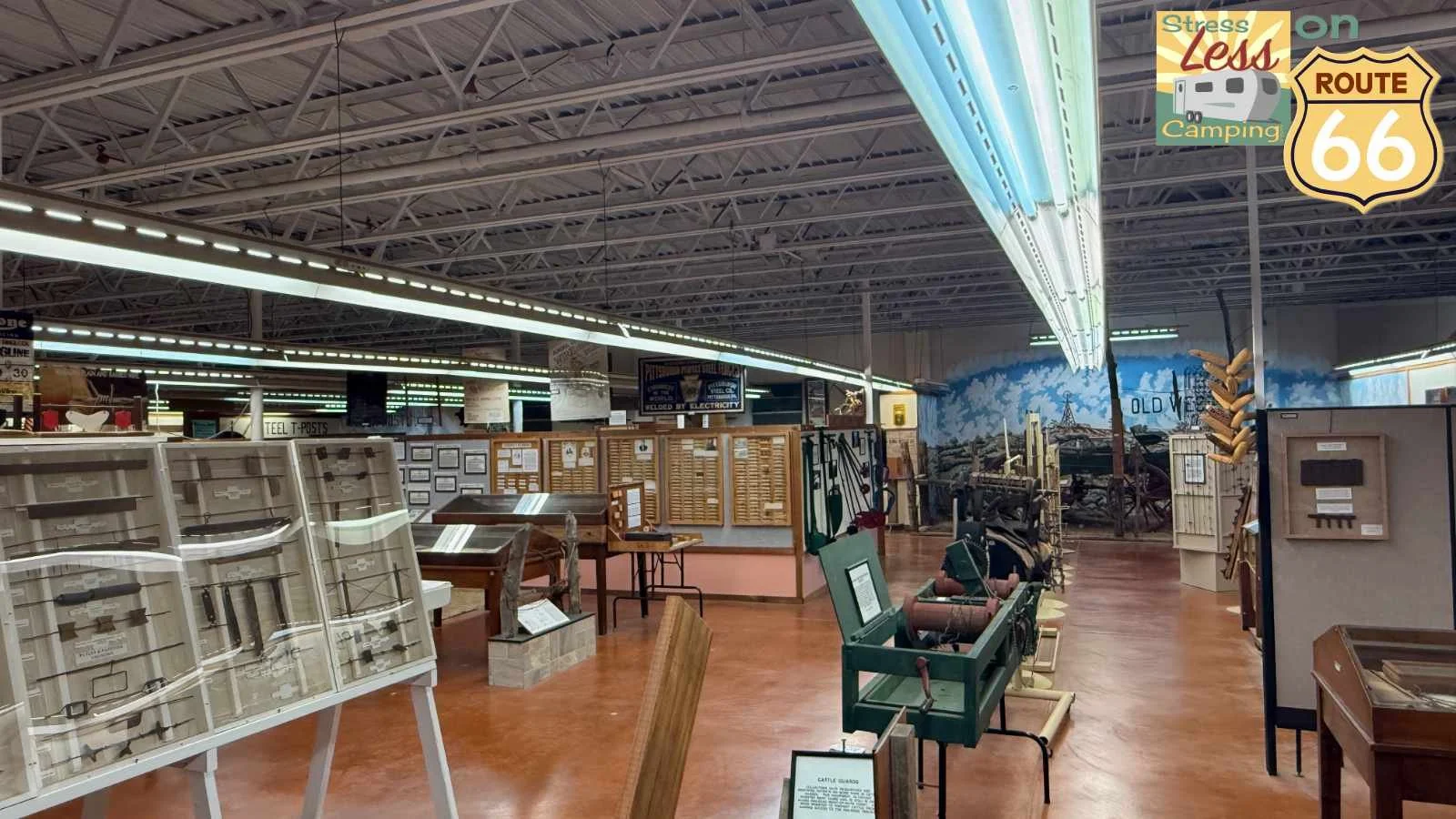
The obvious thing you’ll see is barbed wire. Lots and lots and lots of it. But there are also fencing tools and other artifacts that tell the story of this deceptively simple invention.
Why Barbed Wire Changed the American West
Before barbed wire became widely available, ranchers relied on natural barriers, wooden fences and open grazing land to manage their cattle.
The invention of practical barbed wire in the 1870s made it possible to enclose large areas of land quickly and relatively inexpensively. Farmers could protect their crops, ranchers could manage their herds, and property owners could establish boundaries across the open plains.
But the change wasn't always welcomed.
As fences spread across the landscape, cattle drives and traditional open-range grazing became more difficult. Barbed wire helped shape the modern agricultural economy, but it also contributed to conflicts over land and access to water.
The Devil’s Rope Museum provides a closer look at this complicated history and the role fencing played in settling the American West.


This is also the Texas Route 66 Museum
One of the best things about visiting the Devil’s Rope Museum is that it’s also home to the Texas Route 66 Museum.
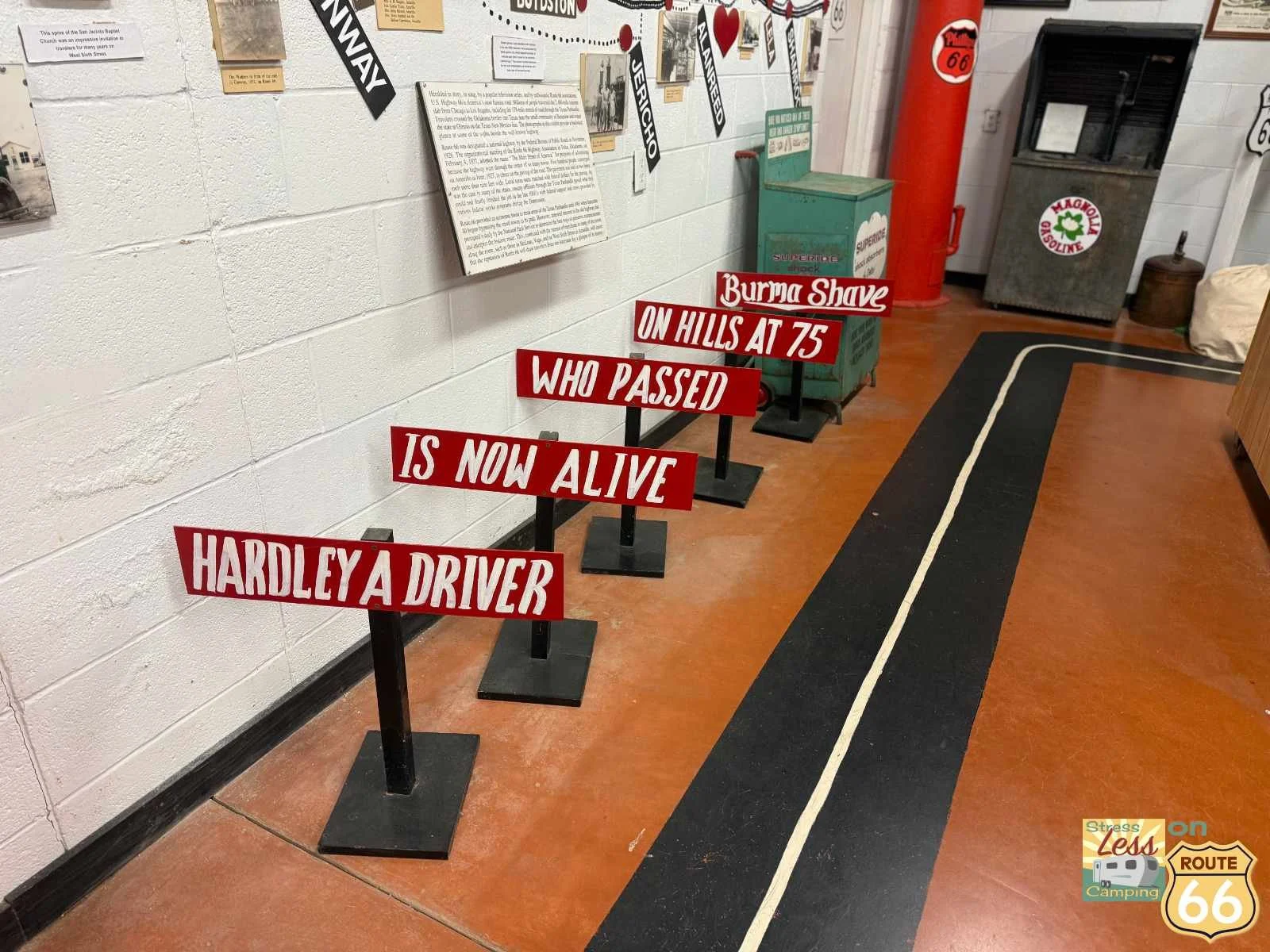
The Route 66 exhibits feature vintage signs, photographs, maps, memorabilia and other reminders of the days when the Mother Road was one of America’s most important highways.
You can explore the history of the highway while learning about the people and businesses that helped make Route 66 a part of American culture.
The museum opened in 1991 and has become a popular stop for travelers exploring historic Route 66 through the Texas Panhandle.
What to See at the Devil’s Rope Museum
There’s more to this museum than you might expect from its name. Here are a few highlights to look for during your visit.
Barbed wire collections: See different styles of barbed wire and learn how fencing technology evolved.
Ranching history: Discover the tools, branding irons and artifacts associated with cattle ranching in the American West.
Dust Bowl history: Photographs and displays help tell the story of the hardships experienced by families across the Great Plains.
Route 66 memorabilia: Vintage signs, photographs and other artifacts celebrate the history of the Mother Road.
Outdoor barbed wire sculptures: The large balls of barbed wire outside the museum make for a memorable photo opportunity.
A bit of trivia about the Devil’s Rope Museum
The museum was founded by Delbert Trew to tell the stories of how barbed wire and Route 66 were such an important part of Texas history.
“The name devil’s rope came from religious groups,” Trew says. “When barbed wire was introduced, it was very vicious and it caused lots of injuries to cattle, horses, and people. Religious groups called it the work of the devil, and they called it the devil’s rope.”
Most young people aren’t much interested in barbed wire, its history, its tools, and its purpose, Trew acknowledges. City people, he says, have little appreciation for how barbed wire civilized the Great Plains and the western United States. But they might feel differently if they could walk among the barbed-wire covered exhibits at the museum.
The U.S. government has issued patents for more than 800 types of barbed wire over the years, and collectors have identified more than 2,000 types of barbed wire with barbs of various shapes and sizes, many of which are on display on the museum walls. It takes 4 miles of barbed wire to fence a section of land, or 1 square mile.
The museum was actually built as a factory to make braziers and, when that closed, Trew thought it would be a good idea to share his passion for barbed wire with the world. So, the museum opened in 1991.