
Celebrating the Kooky and Kool with Roadside America - Part 1
Celebrating kooky and kool with Roadside America - RV podcast 361
Do you love the wacky, wild, weird and wonderful? Do you seek the strange when traveling? We do to and Roadside America has been a great way to feed our funny fanaticism. This week we speak with Doug Kirby, co-founder of Roadside America, and learn how it started and what it takes to keep up with America’s funniest finds.
We also have a small trailer with big features.
Other places to hear the podcast
Mentioned on this episode
The StressLess Camping merch store
Our tips for how to save fuel even when towing or driving your RV
The StressLess Camping RV podcast episode about how to fuel while RVing
Our tips to improve your RVing fuel mileage
A great tool to check and change tires - the AirGear tire changing kit
We’ve worked with AirGear to continue the discount on the AirGear RV water hose
Our guest, Doug Kirby, is one of the founders of Roadside America - a great place to find the fun, frivolous and freaky along the road of life
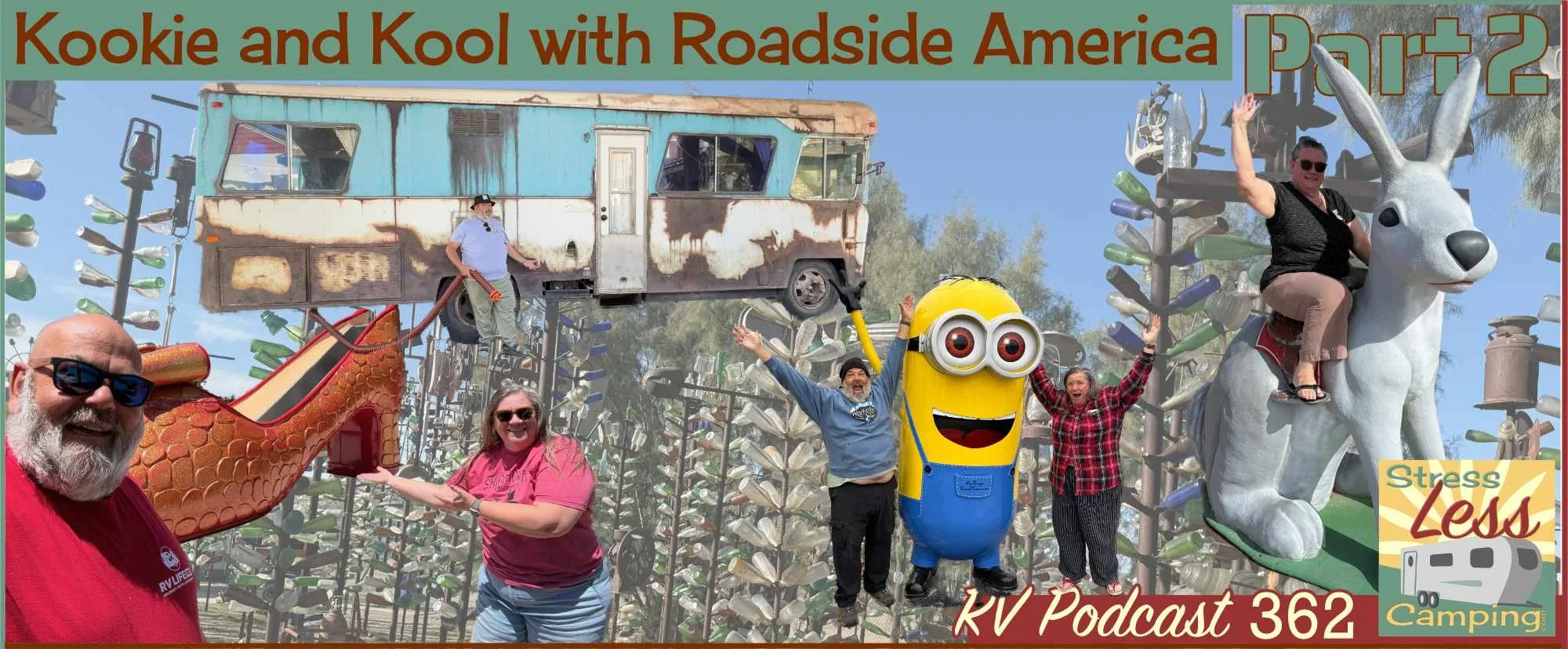
Listen to part 2 of this fun interview
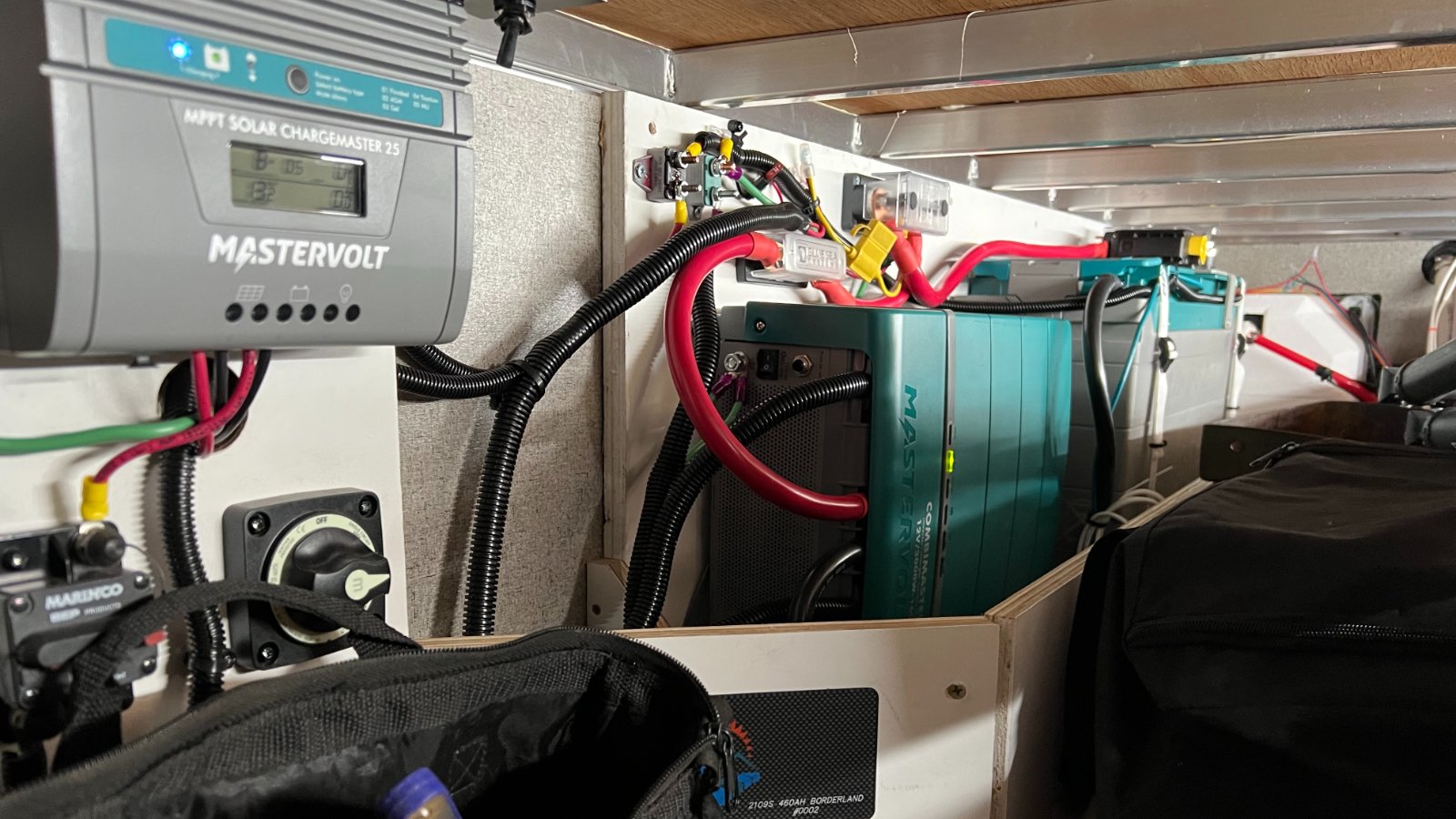
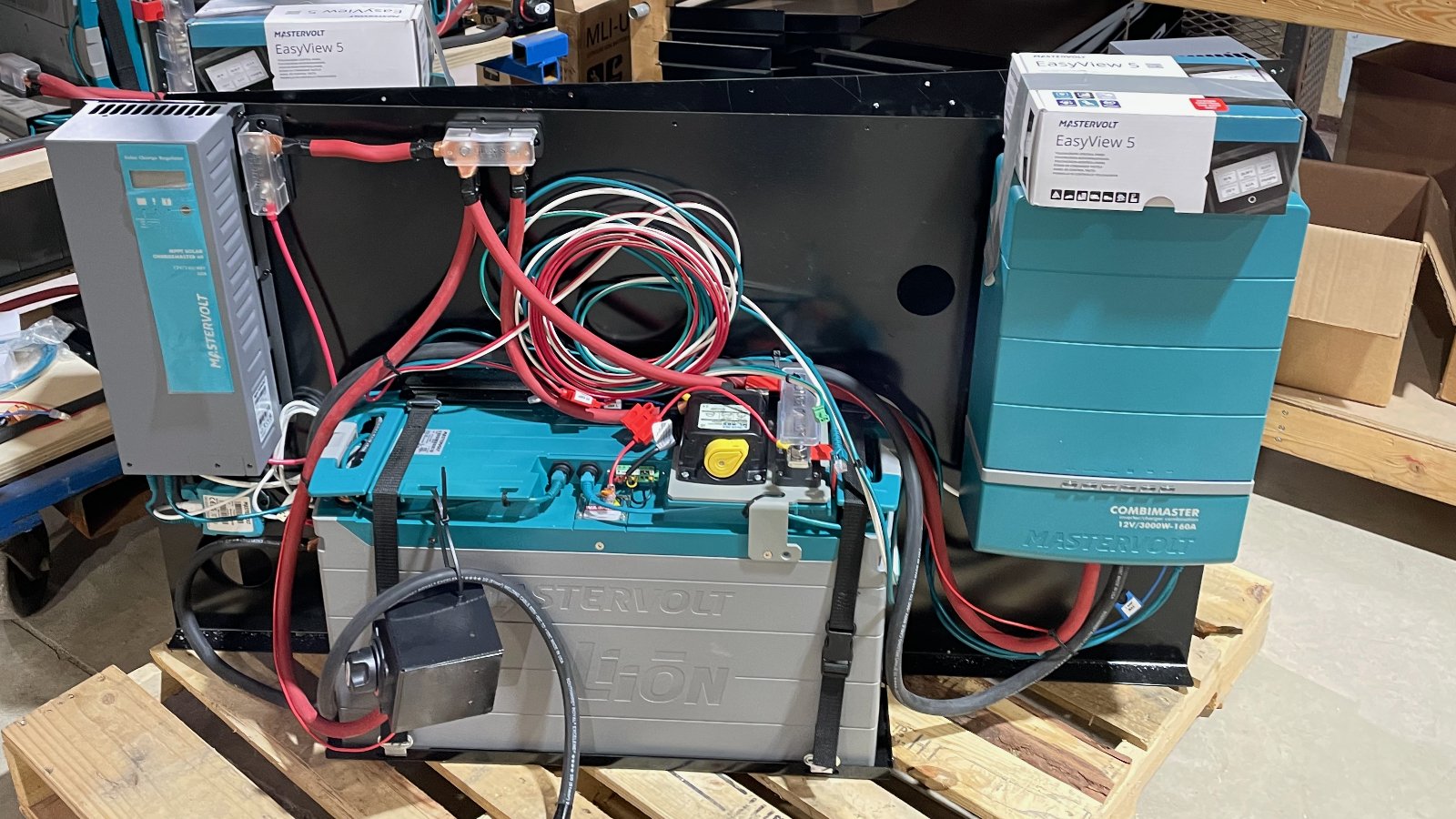
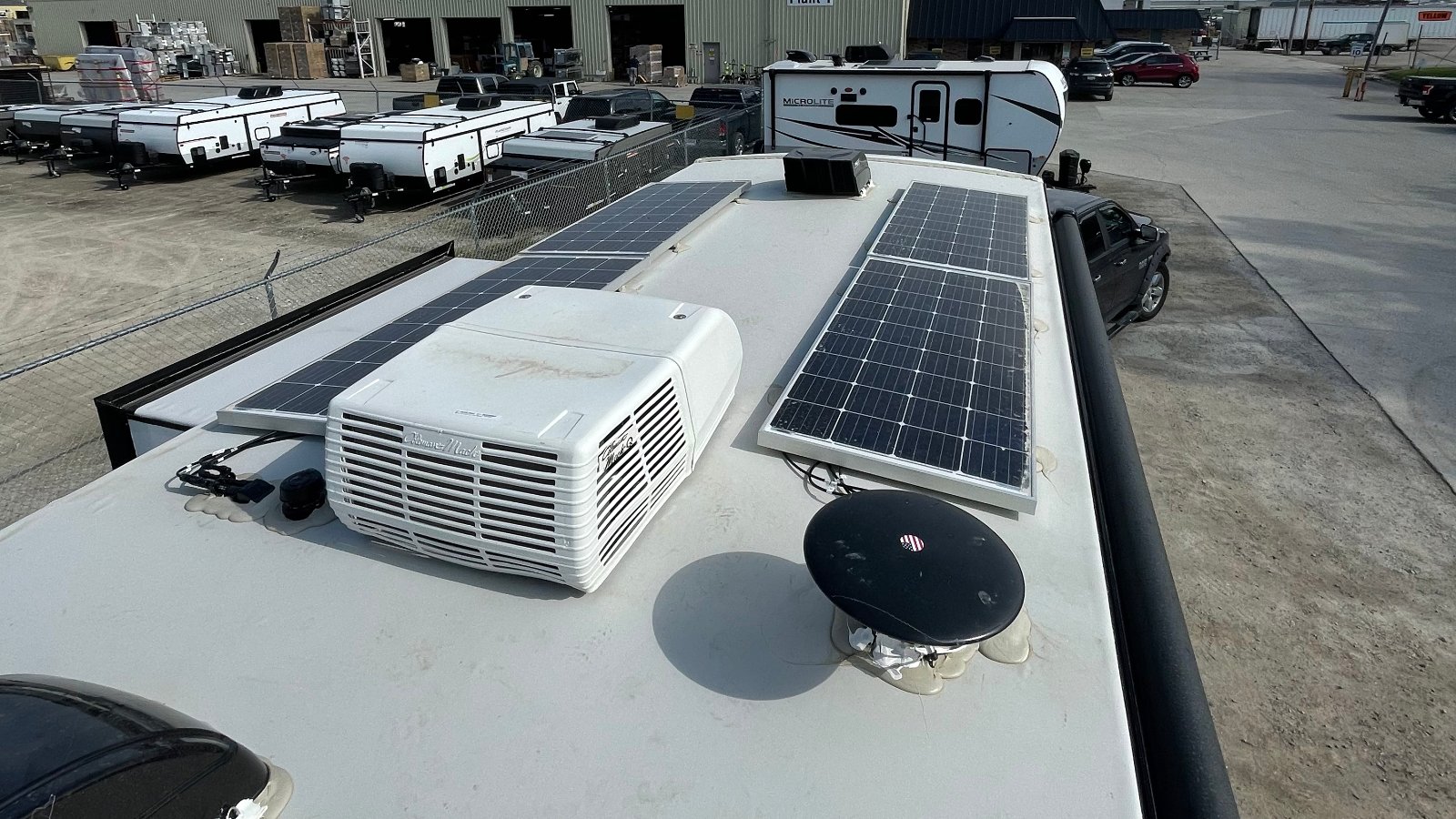
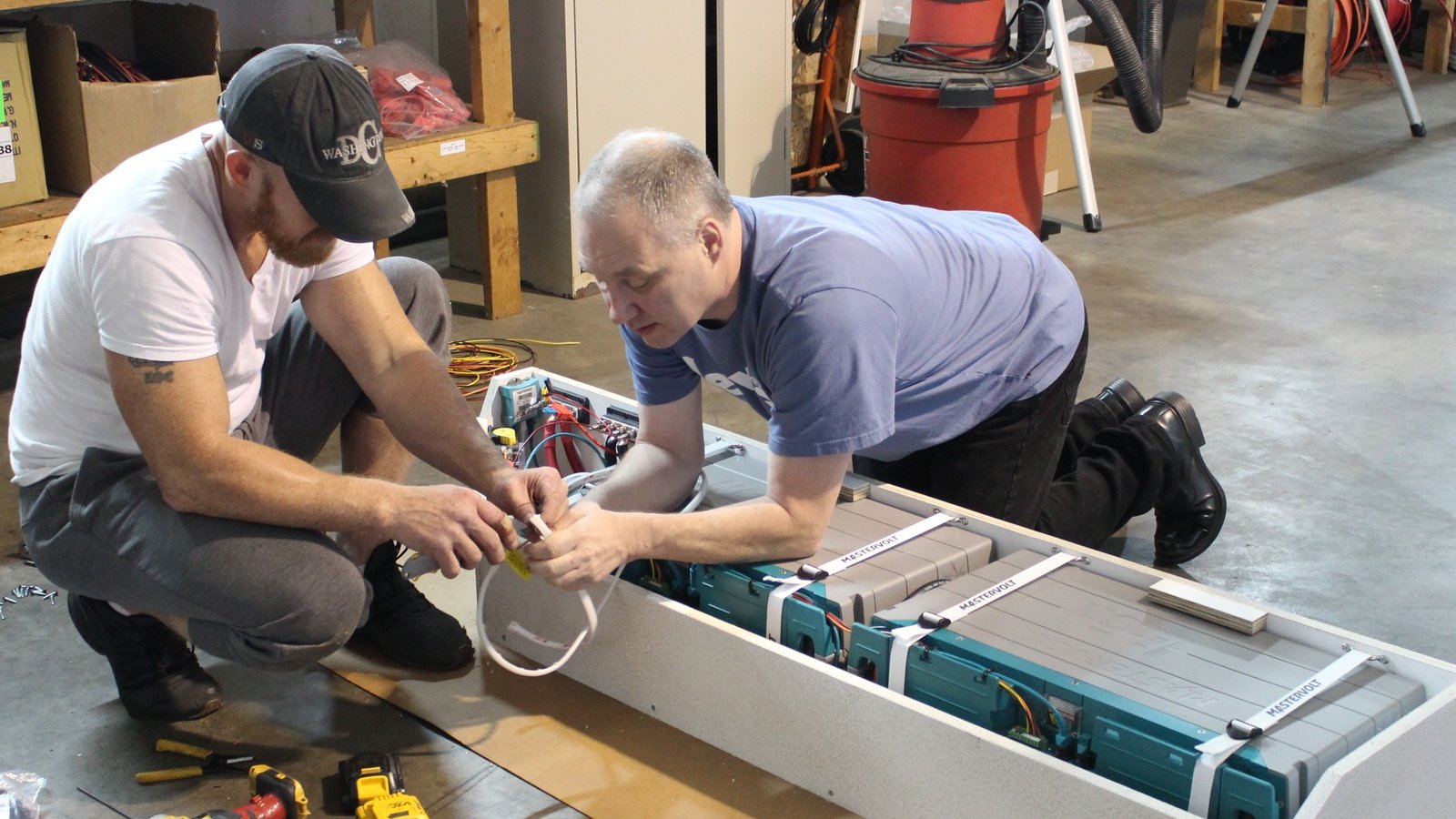
If you’re confused about solar, battery power or just want to upgrade your RV we have found the solutions from ABC Upfitters are both reliable and exceptional.
We have a podcast episode and video where you can learn more here.
Automated transcript of StressLess Camping RV podcast episode 361
We are so thrilled to have Doug Kirby here from Roadside America. And if you don't know Roadside America, my gosh, you are missing out. Doug, welcome. Welcome.
Doug Kirby (01:31.906)
No.
Doug Kirby (01:51.896)
Good to be here.
StressLess Camping (01:54.182)
It's a pleasure to have you. And I noticed you guys have been, you're always busy, but you've been even busier from my perspective. if, people who are not familiar with Roadside America, what is Roadside America?
Doug Kirby (02:13.678)
So it's a sprawling, it started as a project. I guess I should say what it is now and then I'll tell you where it started. But what it is now is it's a giant website about 17 or 18,000 active roadside attractions that we write about and map. And we've got...
StressLess Camping (02:22.081)
Okay.
Doug Kirby (02:35.326)
apps, mobile apps, and all kinds of little projects. do little videos and things. it started a long time ago, actually, this year. It's 40 years. When we did the first Roadside America book, we were just out of college. There were four of us. Writers came from our college humor magazines. So we all gravitated to New York looking for careers in comedy and humor.
StressLess Camping (02:48.482)
Wow.
Doug Kirby (03:03.022)
And this turned out to be one of the projects that came out of that those early days. And this was a little different because it was all fact-based. know, these attractions are funny enough. We don't have to make anything up about them. Yeah.
StressLess Camping (03:14.476)
Right? Truth is stranger than fiction. Absolutely.
Doug Kirby (03:20.78)
So yeah, so that's where it started. we actually, because we didn't approach it as travel writers or really about being traveling, it was more about the human condition and the of the anthropological view of these places. Because we remembered them growing up with our families, we would take these trips. My family, my dad would work all year.
He'd do research, he'd mail to all the states and the tourism bureaus and get brochures and maps back. And then he'd load us into the station wagon pulling the camp trailer and we'd be on the road for two weeks or even a month going to all the national parks. You know, cause those were the things he wanted to see. But then the kids were like, what's that giant teepee? Wait, why are there giant cows over there?
StressLess Camping (04:09.954)
Ha ha ha!
Doug Kirby (04:12.15)
And, you know, of course there were five of us in the station wagon. So my parents are like, you know, we don't have the money to be taking them to all the fancy places. Let's just let them burn off their energy over at that, that big cow, you know, and then that was like a great strategy. And so then of course, then I grew up and had all these great memories of all that. was all wonderful. It'd be like if we had,
you know, five flat tires on a trip, that wasn't a bug, that was a feature. That was like something when you came home and you're like, yeah, remember we had five flat tires. So as a, college, I started doing a lot of writing and I'm a cartoonist as well. And from there, after that, was like, okay, what am I gonna do?
I ended up working for a company called Bell Labs. And that is actually, They actually have some roadside attractions. The world's largest transistor, their water tower looks like the world's largest transistor. And the Big Bang Theory came from the work, the research they did. So we added the horn antenna that's up on the hill that was only like a mile from where I lived.
But that career was great because it gave me a grounding in technology and nerds. I was just surrounded by the nerds from all over the world. It was like my wife, Susan, would always say, well, you're kind of living in a bubble because other jobs aren't like that, you know, back then. And I also got a lot of exposure to...the tools to communicate because AT &T and Bell Labs, that's their business. They communicate, you know, starting with the phones. They had early roles in, you know, film, sound and things like that. And then when the web came along, was like, all that stuff was going on. It was going on in the labs. They were doing this research. So then I'd go off from my day job and it'd be like, hey, going to New York and all the guys are working on a comedy show and they were doing a radio show and here's this book.
Doug Kirby (06:15.888)
And I think I actually might have even sort of discouraged it at first. said, if we get an advance out of a publisher, we're going to spend the entire advance just on the gas and hotels, you know, so.
StressLess Camping (06:28.565)
Yeah.
Doug Kirby (06:29.678)
and so the plan was like, we'll, we'll camp and then we'll do it, but that didn't happen. was like, nobody wanted to be, you know, just all sweaty and, know, sleeping in the, in the car. So, so we did end up spending the entire advance, but you know, these days book publishing has changed so much. look back and think, we were so lucky to get, you know, funding from the, from a publisher who believed in the project. And so that was the books came out, did a couple of them. And then, in the nineties,
StressLess Camping (06:53.538)
Mm-hmm.
Doug Kirby (06:59.312)
you know, the web started to appear. And again, through my job at Bell Labs, I was seeing some of the early inroads into that. And we did a trip from LA to New York. It was a hyper, we called it a hyper tour. And the idea was we were gonna see 50 places in, you know, six days or something. And we did it with all this equipment we connected with. Wired Magazine and with AOL and Apple and got all this equipment which you know was totally pioneering for us. We weren't even on the web at that point you know most of my friends you know everybody was still in the print and you know analog world and we did that trip and then so then I got back I'd spent all my vacation that year on it and then I'm in the labs and my manager says hey we're going down to look at this thing called the World Wide Web. All right so likewe all march and there was like designers and stuff andyou know, it's these engineers showing us, it's like code and it's, you know, it's like the matrix, you know, and we're like, okay, why do we care about this? And they, and I said, are you able to, you know, see photos? yeah, you can go onto these pages. And so all, you know, my comrades are there looking at this. And I said, well, can you bring up my hyper tour? Because I just did this with Wired Magazine and they were like amazed. It was like, it was like somebody like I'd gone to Mars and come back and just didn't mention it to anybody.that moment. that was pretty cool.
Doug Kirby (08:37.23)
You know, and then from there, giving you a lot of the early history, but we found out later on that some of the things we did on that trip, I was shooting videos. had two cameras that Sony lent us to say, like, hey, take these camcorders out and, you know, shoot some stuff and plug us a little bit. So we thought, OK, we'll do that. And we shot some footage of things like a shootout and a hanging at Buckskin Joe's. And that was like a wild west town. And I and because of the way
Doug Kirby (09:07.194)
the internet was back then where there was no bandwidth and things were so slow, you had to connect it with a modem. I made a little like 20 second clip of that. And then we did another one a little later of these mummies in West Virginia that had been preserved. And we brought them out on the sidewalk, you know, because there was more light out there. And so I shot the mummies and we took those two clips and put them online. And I heard later on from Wired Magazine that those clips are essential in them.launching banner ads on websites because back then nobody was doing it. I don't know if that's a bad thing but...
Doug Kirby (09:46.286)
So, so bizarrely, the first customer for Banner Ads was AT &T. It was like a separate part of the company that I had nothing to do with. So, so what was cool about it was like those dopey little clips that I made, you know, were like now influencing, you know, wherever, wherever things are going online. I thought that was really cool.
StressLess Camping (09:53.859)
Huh.
StressLess Camping (10:09.07)
I had no idea this went that far back because I was nerdy enough. starting to, I'm Mike Sokilling out on you. But I had a nine line dial up chat board and finally we figured out how to connect it to the internet. Cause it was just, you know, local calls. And so with the nine AT &T lines run into my dad's, my mom and dad's house.
Doug Kirby (10:30.798)
Yup.
Doug Kirby (10:38.07)
Yeah, yeah. No, I used to do cartoons in the first few years. Then I moved on to doing videos and multimedia slideshows. But when I would do cartoons, they'd always be like some project like, you know, we have this new technology and we think it'll be used, you know, by people in their retirement years to share tips about gardening and, you know, doing crafts and stuff. And then that technology would get used for like porno or something, know, it would just be like, okay, know, AT &T had their sort of brains in the right places that this technology needed to get out there. But from the marketing perspective, you know, other companies figured this out.
Doug Kirby (11:22.726)
We saw early versions of MP3 music files there and AT &T had a much better algorithm or codec for that. But MP3 was one all the college kids were using. But that was cool. That was my background. Ken and Mike, were the other two major Roadside America guys from the books.
Chapter: Doug, Mike, Ken
Doug Kirby (11:48.002)
We're both writers. Mike was from Stanford. Ken went to school with me out in the East.
You know, they also did this kind of travel and had the same sense as of humor. So a lot of times when we would figure out the rules of what we think is Roadside America, we'd have to come to an agreement of what those things would be. you know, for instance, the first book had a thing called the Boring Tour, and it was a seven day whirlwind tour of the most boring things. And so Ken wanted to do that for whatever reason he was interested in the boring places. But...
What gets included
You know, there's so many boring places. You had to have sort of rules. So like the accounting hall of fame is, you know, naturally that's a great, you know, boring tour kind of place. So he was doing that. And then Mike was very focused on celebrities. So he wanted to make sure we got all the Liberace Museum and, you know, the Roy Rogers and all those kinds of things. And then I was a little bit more, you know, the atomic tour. I want to go to all the places where we accidentally dropped an atomic bomb on ourselves.
So it all came together, we laid out these categories. It was because back then travel books that ever touched on this topic.
tended to just be regionally organized alphabetically. And a lot of them were written in a way where they sort of like held the tacky places up at arm's length. And it was like, these are for the, you know, the people who, these are tourist traps and our approach is no, tell, we want to go to the tourist traps. We want to see the places where we walk into the mystery, you know, spot and you know, gravity's defied. when we leave our wallets are lighter, you know, mysterious.
Doug Kirby (13:34.496)
You know the money has disappeared from our wallets. So taking that approach every you know, we focused on everything we said what about all these Overseas attractions that you can see in the United States, you know, I've got all these Eiffel towers we've got the stonehenge and the carhenge and you know fridgehenge and and all these things and so we said Okay, the approach is why would you leave America? Why would you bother with the rest of the world when you can just drive around and see all?
those things that are in the world and that started to become absurd because then when Las Vegas started to do that where they started to put the Statue of Liberty in Las Vegas and it was sort of like okay this is very very meta you know now it's sort of like you could go to an attraction that's you know all the places in the world in one place and then in that attraction there'd be that attraction
Doug Kirby (14:31.106)
But yeah, so you can see like the way our minds work are, you know, we put a lot of stuff out on our website, where you have a site of the week, it's usually featured a current and great place that we have meant to do a full write up on. And in the books, you know, way in the early days, you know, you do a book and you research it, we'd spend a year on it, and then the book's done and it's...
set in stone because that's the book until you do an update. With the web, it's so fluid and so dynamic. We can keep mixing and matching and changing things. We're always circling back into our website and the mobile app material and saying, these George Bush jokes just don't work. Like, wait, is it OK to say why we think?
Doug Kirby (15:26.754)
Confederate statues are funny. Like there was a period where you just couldn't even mention them, you're just making fun of them, right? So some of that is we always try to keep things very, they're family friendly. We try to stay apolitical as much as we can. Although these days it's almost like just even the presence of something. Like why do you have this terrible president in your president's app? It's like, well.
StressLess Camping (15:54.286)
Well, because he was president.
Doug Kirby (15:57.358)
Yeah, so, yeah, yeah. So, you know, and we have a couple of, we always have a list of way too many funny ideas for projects and roundups of types of attractions and things. If we see something coming up like, oh, it's the anniversary of the landing on the moon, you know, then we'll sort of.
try to organize all our research that we've already done and then do new stuff and we'll create a map for it on the site. And then that's sort of a thematic approach. then over time, these things have kind of built up. The site is additive. We don't really turn things off unless they have gone out of business.
Gone but not forgotten page
even then, if it was a great classic place, we put it in a gone but not forgotten category.
StressLess Camping (16:50.046)
good.
Doug’s rv experience
Doug Kirby (16:51.498)
So yeah, it's a lot of fun. and I don't know if you guys wanted to talk specifically about RVs. I only have really one RV experience, but I think it was a very important one. And it was, it was when we did that, our first book. So again, we're going back to the 1980s.
StressLess Camping (17:06.603)
sure.
Doug Kirby (17:12.878)
thought it was very important to experience what RV travel is like because that was going to be part of the audience of getting the book. And we also had a publisher who was willing to cover our expenses on a publicity tour, but they were not going to pay for an RV. So Mike out here on the West Coast says, hey, I think there's a thing where you can go to an RV place and they'll let you drive it for free because they're trying to get them from the West Coast to the East Coast. So I don't know if this still goes on.
Doug Kirby (17:41.858)
But so that's what we did. We went to Sacramento, we got an RV there and we drove, but we had no training in RV. We thought it would just be like a big car, right? And so we loved the concept, we loved the room, the efficiency of the RV, but it was a trial by fire. And it was like a two week trip where...
It was a little bit of a nightmare because first of all, you know how when you're driving, your sense of where the edges of your vehicle are very important. And like two hours into our drive, we hit a construction part of the highway where it felt like the barriers were only a foot away from either side.
Doug Kirby (18:24.352)
of the RV. So you've probably gone through that. We drove through the night for some of these because the publisher had set up radio interviews and things and they'd have us like on at 10 o'clock at night in Salt Lake City, but then six in the morning in Denver, right? So we're driving all night and, and nobody explained to us the concept of the gray water. So
Doug Kirby (18:46.69)
The Greywater, and again, I'm talking about the technology that I don't know if this has changed, but the Greywater started to back up into the shower. And one of the other guys had decided to wear instead of like a Hawaiian shirt or whatever we were wearing then he was wearing a full three piece suit, right? So he'd hang that in the shower on the the nozzle there. And at some point it must have fallen into the Greywater.
Doug Kirby (19:15.308)
So that was bad. And then the other thing to have was we tried to park in a city parking with the RV. And, you know, obviously that's a bad idea, but I don't think the dents were too noticeable.
Doug Kirby (19:32.742)
And you know, so that, but that was an adventure, but it also then grounded us to say, this is a different type of travel. These are the benefits, you know, these are the things that's why when you see somebody with an RV pulling a car, it's like, okay, that's somebody who's trying to get the best of both worlds. So yeah.
StressLess Camping (19:33.58)
my gosh.
Bell labs to roadside
StressLess Camping (19:49.196)
Yeah. Yeah, absolutely. Well, mean, but on the data on the site, can't imagine. So at some point, obviously, you went from working at Bell Labs to I am now Roadside America. Mm-hmm. Yeah, that.
Doug Kirby (20:07.52)
Yeah, yes, yes. Okay, so we were doing the website since 96. So that's the 30th year anniversary this year. And that was, you know, just the side hustle. There was no money in that because there wasn't even a way to monetize a content, editorial content, stuff like that back then. No podcasts, no blogs, nothing like that back then. But we did it almost like because
We saw online people trying to, there was a guy in Europe who was putting up tips about places. So it seemed like he had about 10 or 15 places. And I thought, no, this won't do. We've got to start putting our stuff up. We already had a database going and we had some rules. we said, we're not going to put up those dumb under construction pages that you would see on websites back then.
We said we're only going to launch when we have at least 300 stories. So, you know, between some of the old book stuff, the new hyper tour stuff, and then all new stuff we wrote, we launched with about 300 pages. And then it took off from there because it was the only thing like that out there. When I put up things like the Muffler Men homepage, that
was sort of viral, the equivalent of going viral back then because all of a sudden we were flooded with tips of people who had seen these statues. And we didn't really add maps until maybe seven or 10 years later when Google started to make those maps for free out there that you could add to websites. And...
You know, actually, original books, had no directions or anything for attraction. We basically said, drive to a town, ask a policeman or a postal worker where the crater where they dropped the bomb accidentally in World War II is. And then, you know, where is the waitress statue or whatever.
Tech and tools
Doug Kirby (22:09.302)
And then, but over time now with the tools with mobile and everything, the audience is pretty demanding that the data be right, you know, we'll get somebody saying, you know, you have the map point 50 feet from where it should be.
StressLess Camping (22:24.63)
gosh. Yeah, yeah, that's how that's how people are.
Doug Kirby (22:31.062)
Yeah, yeah. And so there's that audience. And then there's the people who are almost like, you're making it too easy. You're making it too easy to find things. You've taken all the oxygen out of this room.
StressLess Camping (22:42.965)
StressLess Camping (22:46.454)
You know, I always say if the government handed out gold bars, people would complain that they're heavy.
So now, you have, I'm sure you know how many things are listed on Roadside America and it's gotta be in the many thousands.
Doug Kirby (23:05.998)
Well, so I have to check occasionally. We have a little tally of different categories. And overall, there are, I think, 23,000 different places. But at least 4,000 5,000 of them are out of business, closed, unmapped. When something in the mobile apps closes permanently,
We remove it entirely because we don't want the confusion of, you know, I liked your app when I opened it, but four of the five things nearby me are closed. You know, so we thought, that's not a good experience. We're on the website, we had a different approach. The website, we were like, no, this is the sort of memory archive of all the offbeat stuff we've seen. So if there was a great...
StressLess Camping (23:41.794)
Mm-hmm.
Doug Kirby (23:54.168)
character that we met 20 years ago and then, you know, the attraction was bulldozed. We still want to keep some of those treasures out there. And so we kind of keep balancing those two areas. Route 66 is a good example for the new app that we just released.
StressLess Camping (24:02.52)
Sure.
Doug Kirby (24:11.362)
We traditionally don't add all the mainstream stuff, know, so we don't really usually care about, cause there's a diner or there's a, you know, a coffee shop or whatever. But for the Route 66 app, we thought we've got to put in all the essential things that the Route 66 people love, even if there's nothing particularly funny to say about them.
so we've added those into the app, but it's all also got the roadside America kind of places. And then we added this crazy layer, you know, cause we, don't want to be like other route 66 apps. It's called the zealot layer. And then what it is is if you're a true believer, a fanatic, and, you know, if, if you're, if you get to a town and you're interested in where the two pavements didn't align or.
StressLess Camping (24:57.932)
Ha ha ha ha ha ha ha ha ha
Doug Kirby (24:59.406)
a ridiculous piece of infrastructure arcana about Route 66, we wanted that to be something you could unlock. But then we thought, if somebody's in a town and they only have half a day, they don't want it all clouded with that noise. So they can turn the zealot layer on and off.
StressLess Camping (25:12.814)
Yeah.
Okay, I like that. Yeah, it's I the app This is just the settings, but I was really impressed with how well done this is and we actually plan to go We did half of well, we've we've gone all over 66 multiple times. We did half of route 66 in February in February we we did Los Angeles to Albuquerque. Yeah, so we did that western portion backwards or
forwards or whatever. People think, you know, whatever direction is important. And then later in the year, we're going to be near Chicago. So we'll start in Chicago and work our way back to Albuquerque. So we didn't have the app. I don't think there was an app or we didn't know about the app, the Route 66 part. And so now we're super excited because the app we were using just
Yeah, we were not. I don't know what happened to it. But this is gone. This is really well done. Yeah, we're going, we did backwards in February and now we're going to go the normal way. But I see on your app, you can also map it. You can set it up to go. Forwards or backwards. To go eastward. So it's easier to follow, yeah.
Doug Kirby (26:33.678)
Yeah, main developer in this is a guy named Dan Barber and he's very well versed in this stuff. He was a little bit more super user approach to it though where he would put in a control and I'd say, hmm, really?
Did people change the colors of the map points? Do they care about that? And so he put some features in there and we're kind of seeing what kind of feedback we get. So I'd say with the app, it's got a lot of super user controls if you love to tweak, you know, this and that. but some of it, like on the original Roadside app, we would just arbitrarily make our decision of what people should see.
StressLess Camping (27:06.69)
Okay.
StressLess Camping (27:15.404)
Right.
Doug Kirby (27:16.398)
And then, and nobody really complains about that usually. It's very hard to be with apps to meet everybody's needs, you know, because...
And especially whether it's like, I, you know, I it on my dashboard. I want it to do this. I want it to do that. And usually what they're describing is something that we would need them to be giving us money every day to maintain. So we kind of think, what can we do that's a flat rate, which both of the apps, the original Roadside app and this one were just a flat rate thing.
And then they'll use it and they'll love it and they'll send us stuff. And we're not really doing it for the money because if we did, we'd make it a subscription and make everybody have to pay subscriptions on everything. Most of the apps have moved to subscriptions. that's...
StressLess Camping (28:08.086)
Yes, yeah. That freemium model, I hate that too.
Doug Kirby (28:11.752)
We didn't get the memo on that. mean, we may have to move to some kind of subscription for future projects we do. yeah, the premium model originally with the apps, what was like with Apple, you weren't really allowed to chart what they considered. You couldn't charge for data. You couldn't charge people for data they already bought. And our interpretation was, the data they're buying is
is in the app, but we update it every day, right? So it's sort of like we're going to, if we have, let's say we put the app out in 2009, one person bought it and was still using it now, we would have been sort of obligated to keep updating everything for the one user so they wouldn't give us a bad review.
StressLess Camping (28:56.758)
Yeah, right.
Doug Kirby (28:59.16)
So anyway, mean, we have to sort of wrestle with some of those things and figure out how we're going to do things. For Roadside 66, there are other apps that are, I don't know which, I guess we don't want get into talking about which one you use, but they are more dedicated to just that experience and for offline use and all this, but they're also much more expensive than what we're doing.
StressLess Camping (29:25.366)
Yeah.
Doug Kirby (29:25.998)
So we almost feel like if somebody has already bought one of those, but they're afraid they're missing out on certain things, our app is just pretty cheap, right? So get ours. if you're in there and say, the Purple app is not telling me anything. Let's see what Roadside 66 says.
StressLess Camping (29:42.018)
Yeah. Yeah. I was impressed with Roadside 66. I liked it. When did it come out? It's pretty recent, right?
Doug Kirby (29:48.814)
It came out in middle of March and we soft launched it because we wanted to get another update with a few weeks later. So we're just starting to do a little bit of a promotion of it now. And of course this year there's new attractions coming up.


