
When an RVer travels by Train - RV podcast 366
What happens when an RVer travels without an RV? Although we are really accustomed to our travel trailer, Tony traveled by Amtrak for a job in Indiana. Did he like it? Would he do it again? Let’s find out what this RVer thinks about traveling without his RV!
While he was away he saw RVs. Lots of RVs! And today he shares with us a small but mighty travel trailer that he got to review.
Other places to hear the podcast
Mentioned on this episode
Peggy’s spreadsheet comparing the cost of travel via train, trailer or truck
Peggy got to share our AirGear water hose when camping with fellow travelers
We mentioned our Ghost Bed mattress that we like quite a bit
Tony mentioned enjoying books by Nick Russell - we have spoken with this best-selling author and RVer in the past here
Our visit with family and a tent camping adventure chasing the Big Boy steam locomotive
Tony’s story about driving across the country in an EV
Our experience towing an RV trailer with the Weigh Safe hitch
Tony’s video review of the Rockwood A-Frame A121HD pop-up trailer
Our favorite RV replacement mattress - the Ghost Bed
Our RV and trailer towing resource
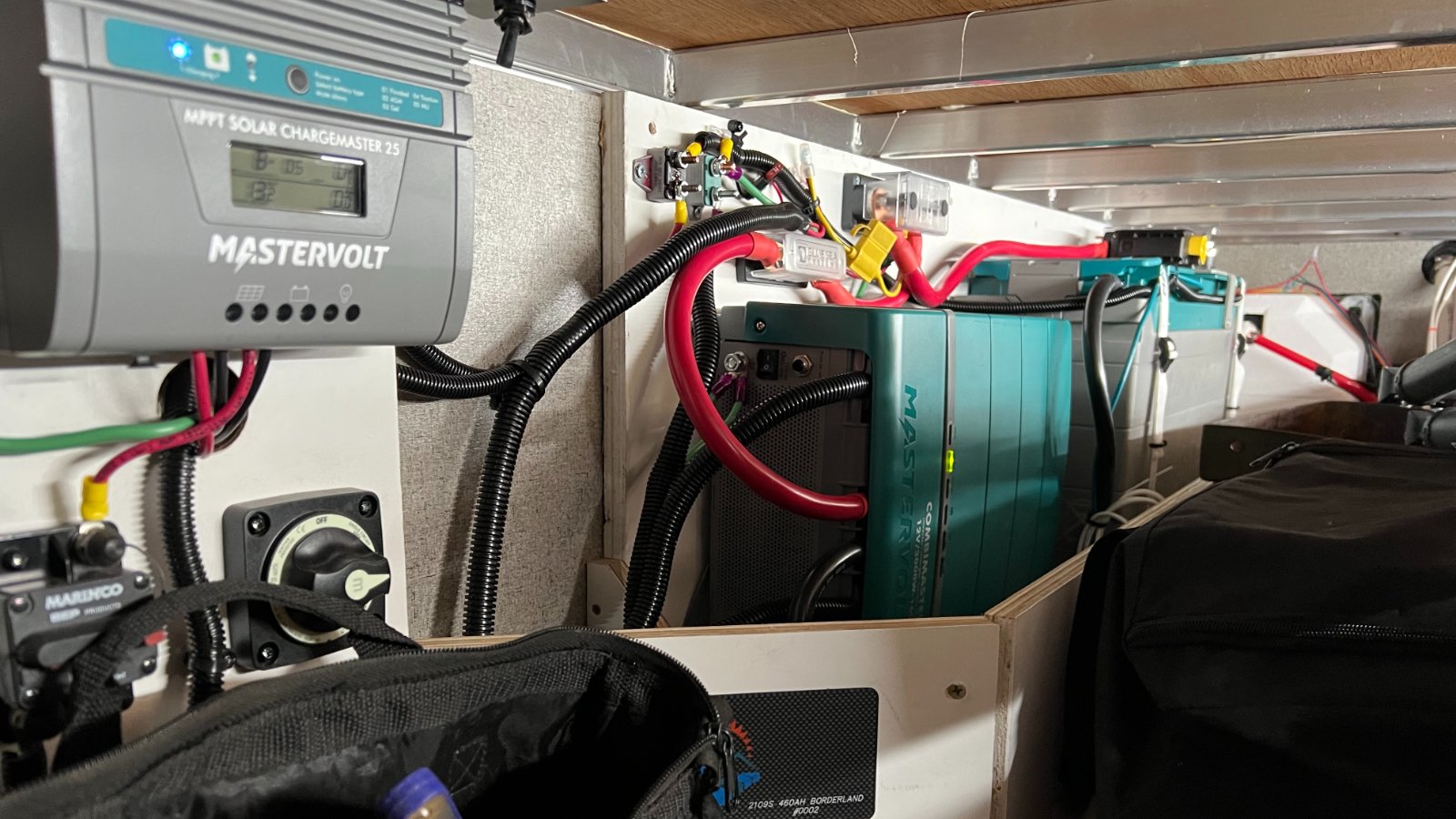
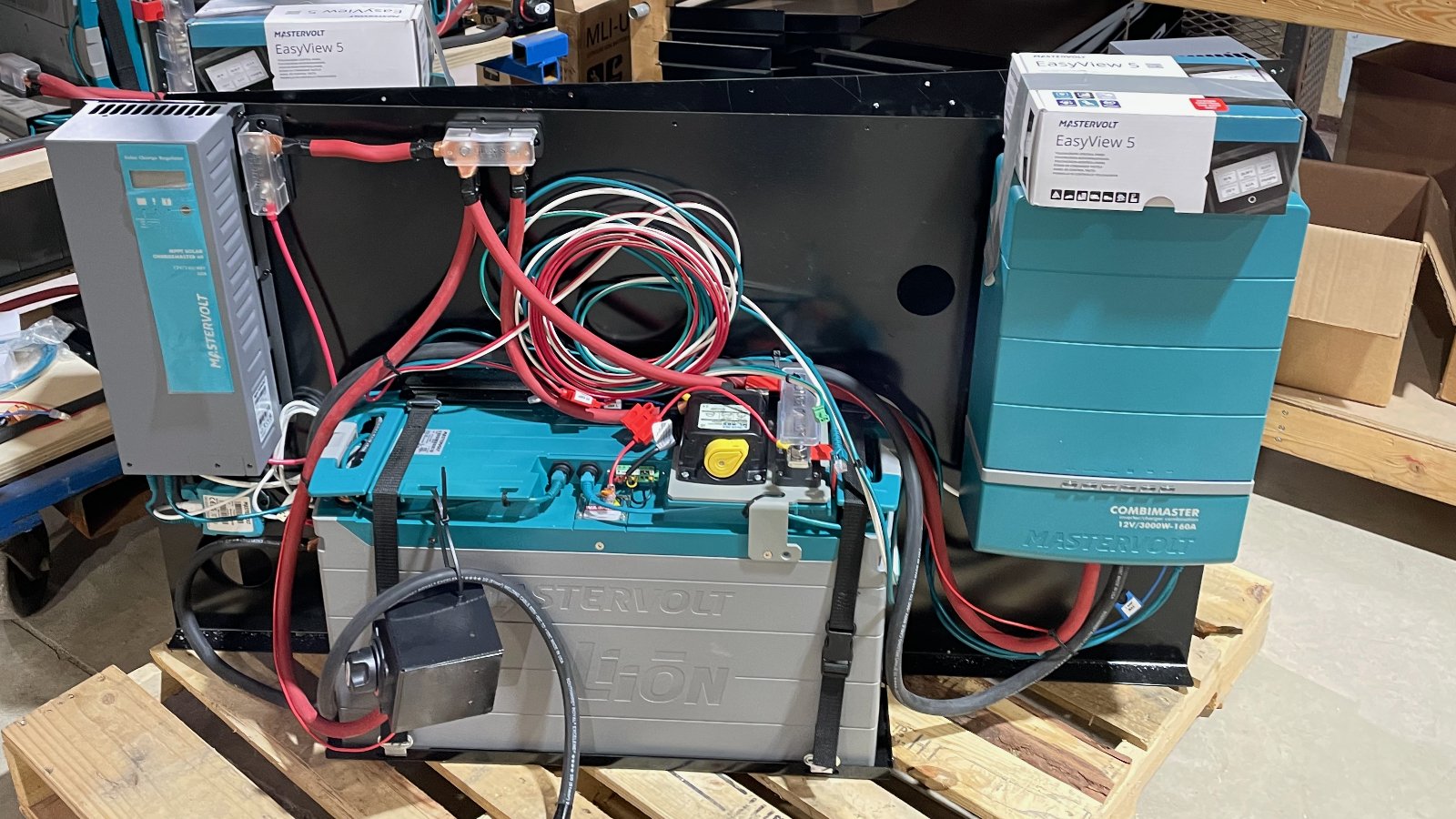
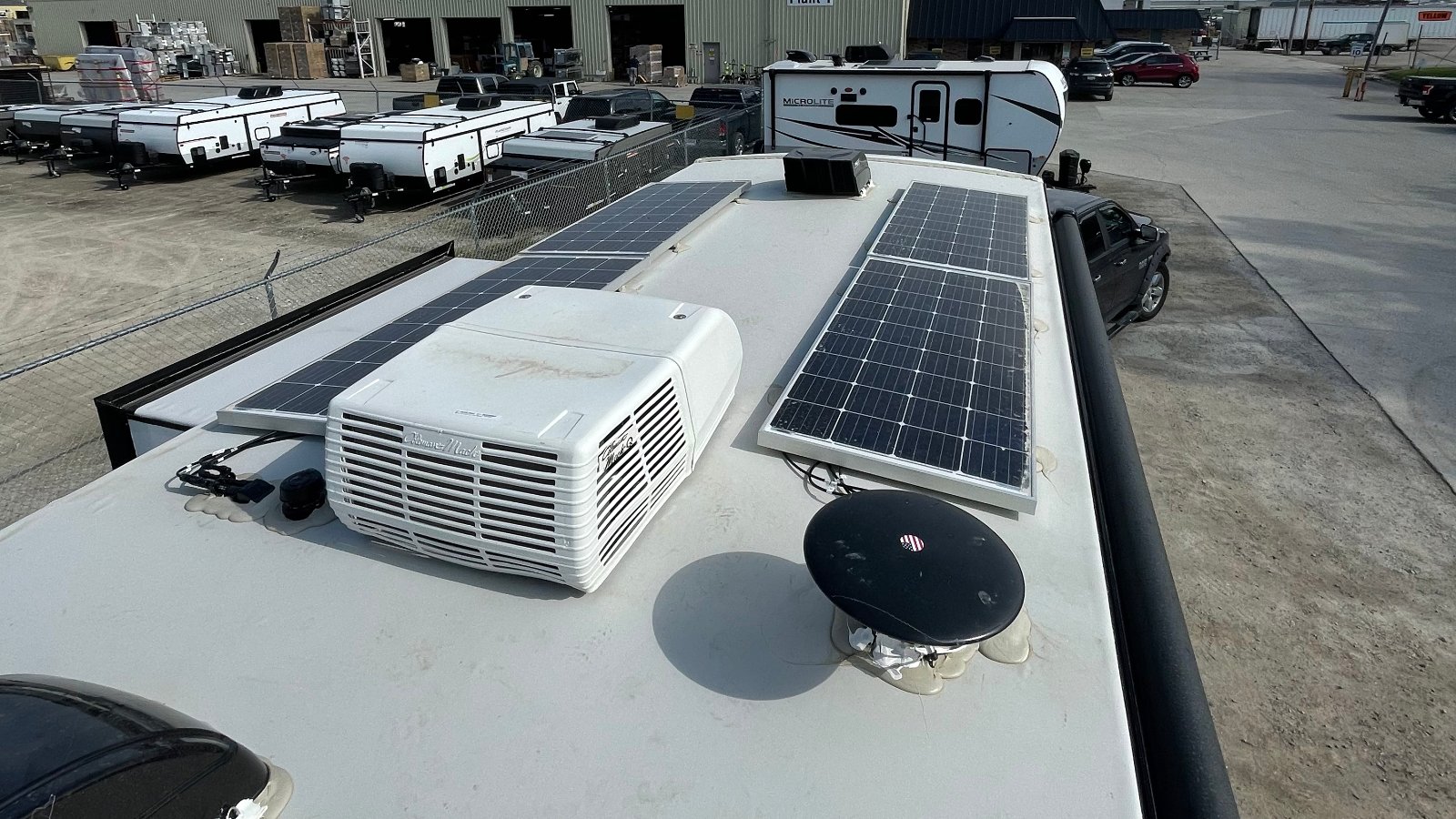
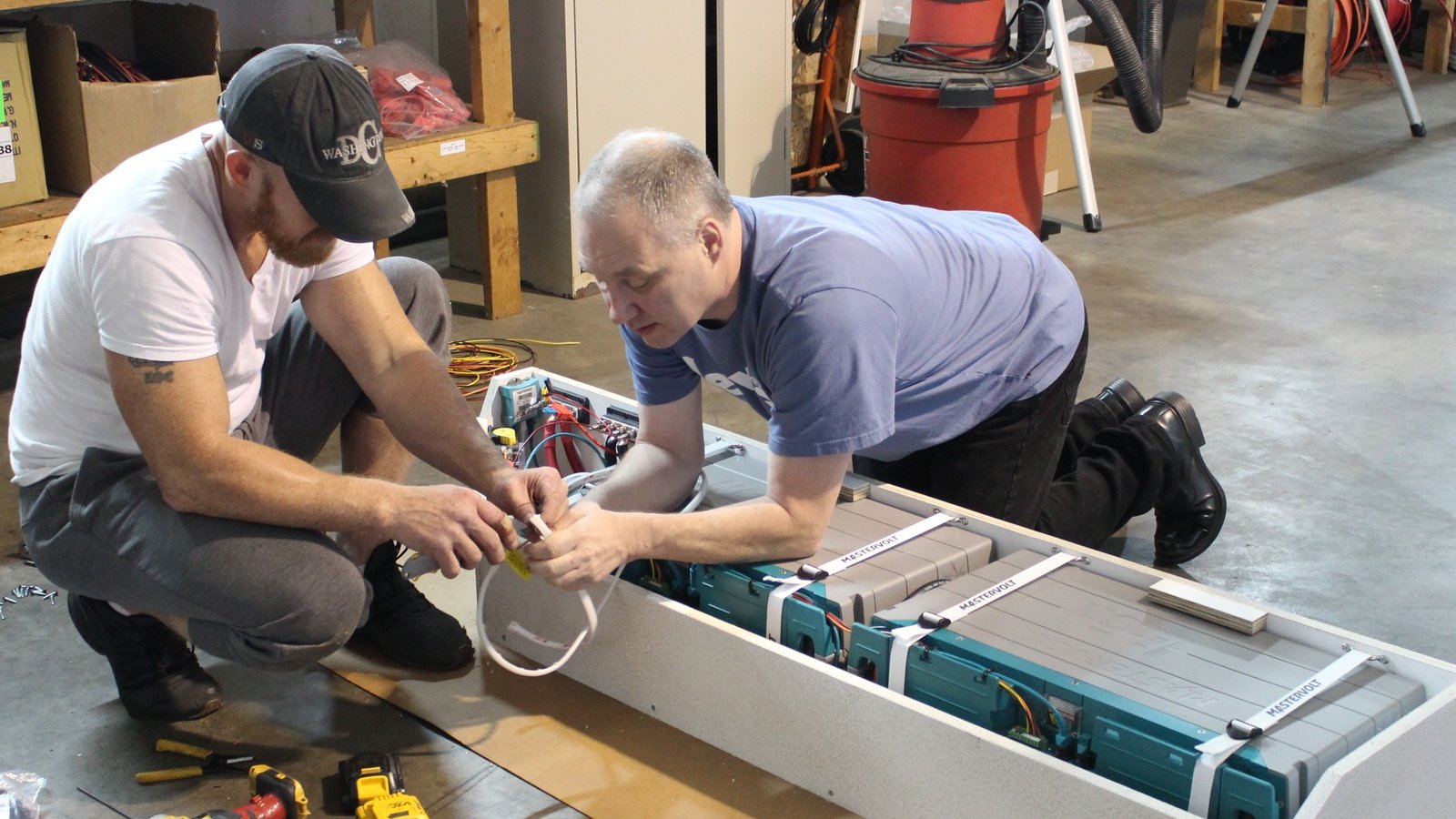
If you’re confused about solar, battery power or just want to upgrade your RV we have found the solutions from ABC Upfitters are both reliable and exceptional.
We have a podcast episode and video where you can learn more here.
Automated transcript of StressLess Camping RV podcast episode 366
Tony
What happens when an RVer travels without an RV?
Peggy
Lookit, we really love and are accustomed to our travel trailer, but Tony traveled by Amtrak for a job in Indiana. Did he like it? Would he do it again?
Tony
Well, let's find out what this RVer thinks about traveling without an RV.
Peggy
While he was in Indiana, he saw a A lot of RVs.
Tony
Yeah, over 50. And today I'm going to share the smallest I saw, which is the first of many.
Peggy
We have this week's podcast along with the notes and all the stories that go with it, and deals, discounts, helpful tips, and more at our home on the web at stresslesscamping.com.
Tony
We really appreciate your likes and shares, and thank you for joining us on podcast 366.
Peggy
Stressless Camping.
Tony
I'm Tony.
Peggy
I'm Peggy.
Tony
And we're two RV industry veterans who travel part-time in a Rockwood Minilite. Not all the time, part-time, looking to share big adventures, help you with great tips, tricks, and discounts.
Peggy
So while Tony was away in Indiana on the train, which is what we're going to talk about mostly today, I went camping.
Tony
Yes, with the trailer.
Peggy
Yeah, I took the travel trailer and went with some other girl campers up to the northern part of New Mexico and had a really, really good weekend. And I gotta say, there was like the good, the bad, and the ugly, right? The good is I did all the things.
Peggy
Now, that's not really a surprise. I've done them before, but I didn't cheap out. I didn't cut corners, you know. I, I actually leveled. I don't remember if I talked about the last time I went by myself, but I was in a tiny little space and I couldn't get level, and I spent the whole time rolling across the floor.
Peggy
This time I actually used the levelers. I got level. I did all the hookups. When there was a little leak coming out of the water spigot, I worked on it until I came up with a solution. That was the good.
Peggy
The bad was, uh, how many times have we said checklists make for stressless camping? And guess who didn't use their checklist?
Tony
Oh my.
Peggy
So I forgot a couple of things. It wasn't life-altering.
Peggy
I had the really vital things that I needed, but I didn't use my list, and that was bad. Uh, there's some ugly. And the ugly is that at some point in the recent past, there has been a mouse in our trailer. Yeah. And I looked all over for signs of, you know, for fresh signs, and I didn't see any.
Peggy
And so I put on my big girl panties and I camped, convincing myself that there was not a mouse in the trailer. I really don't I don't think there is. But on— if I had seen any fresh signs, uh, Tony may have come home to a wife with a truck and no trailer.
Tony
That's—
Peggy
yeah, I don't know.
Peggy
I might have set a match to it and just driven home. I probably wouldn't. It was in a public campground. Yeah, but I, uh, pulled a hitch pin on the freeway and go, I don't know, how did that happen? I don't know how many of you know how Absolutely petrified.
Tony
On our property here in New Mexico, we never had a rodent problem, and this year, this year has been—
Peggy
yeah, it has been so bad.
Tony
We know of people who, like, let's say if you're the driver in that relationship where the driver has had some sort of issue where they can't drive, like, you know, you break a leg or sprain an ankle or whatever happens to happen, right? Peggy did the whole thing by herself, hooked up the trailer, towed the trailer, filled gas twice. Yep, all of that without me even being in the same state.
Peggy
And like I said, there, there was water coming from somewhere, the spigot or the water filter or something. And instead of just ignoring it and saying, ah, it's just a little drip, I like got a stool and sat myself down next to the spigot and figured it out. Like, I never did figure out where the leak was, but I figured out a solution, and that was to fill the tank and use the tank instead.
Tony
Yeah, it was at the, the spigot, and we suspect it was our water filter. So yeah, we haven't put water to it since then.
Tony
I suspect it's just a loose fitting at the water filter, which is outside of the trailer, which is no big deal, easy to fix.
Peggy
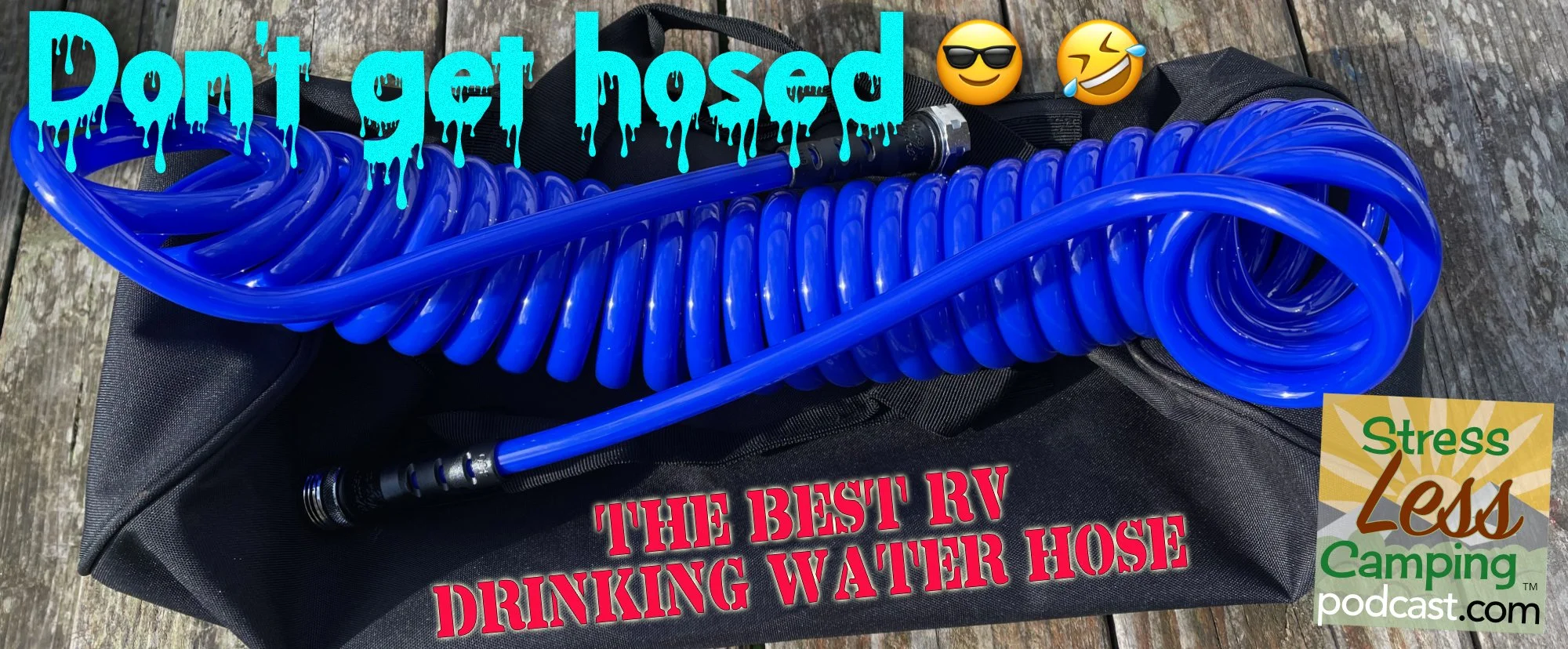
Yeah, but because I— well, I was close enough to the water spigot anyway that I only needed one of our two AirGear hoses But because of that, and because I didn't really use it anyway, one of the other gals that was camping with us had left her hose somewhere on an earlier part of her trip. And she didn't have a water hose for the moment. And so I was able to loan her our second water hose from AirGear, which made her fall in love with it and go shopping.
Tony
It is a very high-quality water hose.
Tony
As we said, we've had it now for 4 campers, and it's been in sub-freezing, used, used, used, and it doesn't leak. The leak was at the water filter.
Peggy
Yeah, it was not anything to do with the hose.
Tony
So, uh, just great products from a good company, and you can get your AirGear water hose or tire changing kit or all kinds of great things from the AirGear store. We'll put a link in our show notes below.
Peggy
Okay, so Tony needed to go to Indiana, I needed to go camping. We couldn't both have the travel trailer.
Tony
No.
Peggy
And so we, we talked about all the options. One was me taking the electric car and a tent to go on my camping trip and he take the travel trailer.
Tony
By the way, if you don't know, we bought— when the subsidies for electric cars went away, uh, we bought a used electric car because they are really affordable right now. They're great for just a running around car.
Peggy
Yeah, the other option was that he could take the electric car and I would have the travel trailer.
Tony
I have driven that car from here to Alabama. That's right, a similar assignment.
Peggy
And the other option was flying, which was not really an option for us. We don't like to fly.
Tony
I just— the whole being treated like a criminal at the terminal just doesn't sit well with me.
Peggy
So we were back and forth, who's going to drive which vehicle? And then suddenly I said, well, wait a minute, wait a minute, Amtrak goes right through Albuquerque and it ends up in Chicago, which is just a few hours drive from Elkhart, which is where he needed to be.
Peggy
So we checked it out. It was We'll talk further about this. Not as affordable, but affordable enough.
Tony
Well, originally with the price of gas, I thought, oh, it's not gonna— it's gonna be less. We'll talk about that.
Tony
Now, if you don't know, I am a huge train fan.
Peggy
Some might even say foamer.
Tony
That's a term that some railroaders use for extreme train fans, right? Uh, and yeah, I would, I would say that I qualify. Um, in fact, so much so that we went to Cheyenne, Wyoming to chase the Big Boy locomotive, which is currently the largest operating steam locomotive.
Tony
And the Big Boy was as a just an exhibit, and they would let you blow the whistle for like $5. I can't tell you how many $5s I spent on that. But I asked him, I'm like, what do you— is this just to support the museum? They're like, oh no, We're keeping this thing in a condition that maybe someday someone will actually come and restore it. Now this thing, it's 1,200,000 pounds.
Peggy
Yeah.
Tony
You don't measure miles per gallon. You measure gallons per mile on that thing.
Peggy
Right.
Tony
And it just takes a whole crew to make it work.
Tony
So I'm thinking of this expense and I said, yeah, when pigs fly out my hind end, I'm worried about my hind end.
Peggy
Big Boy is like a, you know, kind of a special thing for us.
Tony
Yeah.
Peggy
And since we moved here to Albuquerque, Tony's gotten really involved with following the 20— what's it called?
Tony
2926, which is the shirt I have on today.
Tony
And that's not quite as big as the Big Boy, but it's not much smaller. The Big Boy is about 1,200,000 pounds. 2926 is about 900,000 pounds. What's a few pounds among friends?
Peggy
Okay.
Peggy
I don't know if the statute of limitations is up on this. I don't know if we should really be talking about it, but under some circumstances, Tony has actually been able to drive a steam locomotive.
Tony
Yeah, I did on the main line.
Peggy
No, we're not going to give any details in case we get incriminated. Yes, we or anybody else.
Speaker 3
Exactly.
Tony
Well, so that was cool. And best of all, last year we celebrated our 20-year wedding anniversary. By getting remarried on a steam train, in this case the Durango and Silverton.
Peggy
Right.
Peggy
So, uh, to Elkhart where he was going to be reviewing a bunch of RVs.
Tony
Yeah, I saw like 50 RVs over the past 2 weeks. Yeah, and I saw Josh and I saw That RV Girl and I saw Savvy About Campers. So lots of folks.
Peggy
All right, so we're gonna do a little bit of comparing and contrasting and pros and cons of each of those options that we talked about.
Peggy
And the first one, you know, kind of our natural inclination is hook up the travel trailer and travel across the country. Yeah, and of course the good thing of that is it's your own bed, you've got a kitchen, you've got your kitchen with your food and your pots and pans, you can do— eat whatever you decide to eat. And the the mattress, the GhostBed mattress that we have in the camper, we actually even like better than our house mattress, which we spent beaucoup bucks on. We don't want to talk about that. Someday we'll get a GhostBed mattress instead.
Peggy
But the bed is the same bed every night, and it's comfortable, and we know it, and we love it. So that is a definite advantage.
Tony
About 300 miles and arrive sometime mid-afternoon. That would be basically the 3:30 rule. So, you know, 300 miles, arrive by 3:30.
Tony
And because of that, it's about 5 days.
Peggy
Yeah, that would have taken 5 days straight, every day, driving 300 miles, setting up camp, having your time to set up and eat and relax a little bit and sleep and get up and do it all again. It's doable. We've done it, but we've usually done it together. But we have done it.
Tony
I don't like to drive more than about 63 with the trailer behind me, but in the pickup there's places you can go 80.
Peggy
Yes.
Tony
So, you know, you get faster. And without towing, truthfully, you— I think you can drive longer distances without getting tired, right? That's just me.
Peggy
It's not as tiring to drive, and you're not going to be setting up and making your own meals so you can go later in the day. Two nights in a hotel, who knows what you'd be eating all that time, right?
Tony
Yeah.
Peggy
I mean, we carry a 12-volt Bodega cooler in the back. Yeah, you can have snacks and everything, but don't eat only—
Tony
we talked about this last week— don't eat only beef sticks and cheese sticks. You do not. It does not— no matter how—
Peggy
yeah, you're still gonna at least want one after a few days. Yeah, you want at least one kind of decent meal a day.
Tony
Yeah.
Peggy
Even if that decent meal is like drive-through, whatever, it's food. It's not just prepackaged snacks.
Tony
Right, right.
Peggy
Okay.
Peggy
So then you've got a few days of driving, a little, you know, shorter time, but hotel expenses, way better gas mileage.
Tony
Oh, much better gas mileage. Yeah.
Peggy
The other option was to take the electric car.
Speaker 3
Yeah.
Peggy
So the seats are really comfortable and they have massagers and heat and all that stuff.
Tony
I, when I went to Alabama, what I learned is that recharging is a good time to get out and stretch your legs. So as much as some people go, oh, you know, it, you know, it takes a while to spend 45 minutes recharging. Well, you should get up and walk around if you're going to drive 1,500 miles in a few days driving time just because it's like 45 minutes to fully recharge the car.
Peggy
So when we talk about the financial part later, I calculated that it would take 4 days to get that 1,400, 1,500 miles, because you can't go quite as far because you have to do that stopping.
Peggy
You can still go fast, but there are those like downtimes in the middle of the day. So then that means 4 days of driving in a comfortable seat and 3 hotel nights.
Tony
Yeah, exactly.
Peggy
And still the food thing, right? You still can carry your cooler for snacks, but you're going to want a meal out that you can't cook yourself because you don't have your camper.
Tony
Well, you could picnic it, but anyway.
Peggy
And I think even though Tony has successfully driven all the way to Alabama, there's still that like kind of range anxiety, right?
Tony
I don't know. I, I was—
Peggy
you feel much better now?
Tony
Yeah, I was amazed at just how many— they are much more common than I had assumed.
Peggy
Okay, so, so there's that. That takes that out of the equation now.
Tony
Now that you've done a good long trip, you know, especially this time of year, the car runs longer in summer because batteries just are more efficient. Yeah, they're better, they're happier when the weather is warmer.
Peggy
So in Albuquerque, and 2 weeks later on Saturday afternoon I picked him up. Yeah, I don't know what happened in between.
Tony
Well, I looked at a whole lot of RVs and met a whole lot of people and ate donuts and ice cream and all the Indiana stuff you you got to do.
Peggy
So, so here's one big advantage: you're not gone from home quite as long because you get on the train, uh, you know, before noon in Albuquerque. You get off the train in the afternoon the next day.
Peggy
So it's like 20— well, it depends on how— 26 hours, how, uh, accurate they are in their timing. The train coming from Chicago to Albuquerque the day that Tony was going to Albuquerque from Albuquerque to Chicago—
Tony
The day that I was watching the train go the other direction from Chicago, the doggone thing was 4 hours late, right?
Peggy
The train that day when Tony did come home, he was 2 hours late.
Tony
No!
Peggy
Yes you were. I'm the one that picked up—
Tony
Oh oh oh oh oh!
Peggy
Amtrak's not always accurate.
Tony
Just no, I think Amtrak is a guess.
Tony
So going to Chicago, my concern was I had a rental car waiting for me, but the rental car agency only stayed open till like 5 or 6, something like that. Train was scheduled to get there at 3, and I thought, if it's late enough, there's no car, I have to figure something out.
Peggy
He had two car rental reservations. One was at the airport, which stays open, I don't know, late if not all night, but he would have had to get off the train, find an Uber, go to the Airport to rent a car.
Tony
The bad thing about that, it was $250 more.
Peggy
It was more.
Tony
It was a lot more. So I didn't want to do the airport, but it was there just in case.
Peggy
Right.
Tony
The good thing about Amtrak is you get to walk around on the train.
Tony
They have an observation car. They feed— well, there's different tickets you can get. You can get like a whole bedroom suite. You can get like a roomette, they call it, I think. Or you could just get coach, which is a seat.
Tony
I got the roomette, which has— I will— I'll describe it, but it includes the meals, right? If you don't, if you just have a seat, dinner's $45.
Peggy
Oh my, the other advantage is that you actually got to kind of be social, right? Yeah, when you have— well, even if you just had a chair, a seat, you could get up and go to the other car and go to the dining car and go to the bathroom and— yeah, and all that stuff.
Tony
There's an observation car which has got like glass kind of halfway up the roof, uh, and so you can go to that even if you're in coach, I believe.
Tony
So that's pretty cool. And then in the observation car downstairs from there, there's like a snack shop and they have hot dogs and hamburgers and they have hot food, they have good beer, uh, they have all kinds of stuff you shouldn't be eating, right? So lots of different good and not so good, good tasting and not so good for you. And, you know, you have choices is what I'm trying to say.
Peggy
Yeah, you had some great conversations.
Peggy
You met somebody who owns their own train car. I did.
Tony
So if you have dinners, well, meal service, so you go to the dining car and there are tables of 4 people. Well, if you're just a dude traveling by yourself, they stick you with other people. So it's all communal dining.
Tony
One day there was some guy, every conspiracy theory, wacky theory. This guy, it was— I literally had to get up. I had to excuse myself and leave. But for the most part, the people I met were really cool in the dining situation, including one guy who has his own passenger car. So that was pretty doggone cool.
Tony
So meeting the people, and then in the observation car I met some really neat people and And as you're driving, you know, as you're riding down the tracks, you can look out the window and see America. Now, truthfully, what you see is a lot of backyards with a lot of cars on blocks, and you see a lot of junkyards and a lot of commercial property. But there are also places where the view is just spectacular.
Peggy
Yeah, when you're not in the city and you're just out kind of cross-country, you get to see, see the USA.
Tony
Yeah, it's like traveling by RV.
Tony
You see a lot of corn.
Peggy
All good stuff, right?
Tony
Oh, yeah. Well, however, as I said, there are different things. You could just have a seat in coach, or I got that roomette.
Tony
And the roomette is neat because it's got two seats that kind of face one another, and you have a big window there, and you can control your own heat and air conditioning, and there's reading lights and lights, lights. So the roomette, the two seats can like fold down to become a bed. And they have an attendant— these people were so nice— but they will like make up the bed for you all comfortable. And then if you have 2 people in one of those rooms, uh, there's a bunk overhead that flops down. So really only 2 people can sleep in one of these rooms.
Peggy
You know, we forgot to talk about that, but we did that. Yeah, we did that in one Christmas when we lived in LA. We took the the Amtrak from LA to Trinidad, Colorado. And then we were supposed to take the Greyhound from Colorado, from Trinidad up north. And Greyhound never showed up.
Tony
Never showed up.
Peggy
My sister had to come get us. But anyway, the Amtrak part of that trip, it was the same, the Southwest Chief on its way to Chicago. And we just got off in Trinidad. It was really, I really enjoyed it.
Peggy
I would travel by train again myself.
Tony
There's a lot to like about it. And the trains are very clean. And despite the fact that these cars have been around, some of them since the '60s, I believe, they're in good shape because they rebuild them and maintain them. Nothing— well, going to Chicago, one of the cars was having an electrical issue, but it wasn't my problem because it wasn't your car, right?
Peggy
And if you have— oh, sorry. Oh, yours was fine.
Tony
Mine was fine. And oh, there's also a little table that pops up in the two-facing seats. Recline, and it, it's pretty com— the last day I pretty much spent the whole day in the, in my little roomette there reading, reading Nick Russell's books.
Speaker 3
Yeah.
Peggy
Also, if you have a roomette, you have access to the showers that are downstairs in that train car, and they were pretty nice.
Tony
Nice towels and showers and all of that. And there's multiple toilets. I think the rooms, like the full proper rooms, do have their own toilet.
Peggy
I think so.
Tony
I think, and I know they have a sink.
Peggy
But you got the smaller one.
Tony
Right.
Peggy
Now someone had told me in the past that the roomettes, you're going to talk about sleeping in that, but they preferred the roomettes because it was what we call a north-south bed in the RV industry, right?
Peggy
It goes the same direction as the train. Your head to foot goes the same direction as the train. So that motion of the train was mostly forward and back. Whereas some of the bigger room, the family suites or whatever, the beds are east-west beds. And then as you're rocking back, as the train is rocking back and forth, it's like throwing you out of bed.
Tony
The train, so if you don't know, unlike in some countries, Amtrak rides on freight train tracks. They lease their tracks from, or whatever, there's an arrangement with companies that do freight trains.
Peggy
Okay.
Tony
So the tracks are in varying degrees of repair. Now, mostly they're pretty good, but that thing, it shakes like nobody's business.
Tony
Every which direction, sideways, front to back, up to down. It is rocking and rolling. Now, some of the tracks much less so, but some of the tracks, it is just bouncing around to the point where I'm like, My gosh, I'm lucky this thing is staying on the track. I mean, it literally was that much shaking.
Peggy
It seems like it's falling off the tracks.
Tony
It's just amazing how it shakes.
Peggy
So it doesn't just rock you gently to sleep. You don't get this beautiful night's sleep. But there's only one night. That's true. So
Peggy
there's that.
Tony
But you are not sleeping. And that's something that we all talked about in the dining car. It's like, did anybody sleep?
Speaker 3
No.
Peggy
Interesting. I don't remember that part of our trip.
Tony
There's a lot of people who have taken these trains a lot of times. So clearly they like it. I'm not sure, having grown up in Southern California where I'm familiar with earthquakes, this was an earthquake all night long.
Peggy
Constant.
Tony
And you've got to think, how many times are you at an RV park and you're like, gosh, I'm really close to the train, right? And you hear the whistle, but it's only like every hour or whatever. This thing the whole night.
Peggy
It's like, oh my gosh, you knew every time you were doing a crossing, every grade crossing.
Tony
So I have this app called Where Am I? And among the things that it can do is it can tell you how fast you're going. So we're trucking along at like 72 miles an hour. I think that's the speed limit of trains in the US, I think. And so, you know, you're like hitting grade crossings all the time.
Tony
So the horn is blowing, the car is shaking. It's not that dark. You know, as you're passing through grade crossings, it's like, So, yeah, it's a good thing you like trains. I love trains, but, uh, yeah.
Peggy
Okay, so we'll, we'll let— let me just ask, get a feel for it now.
Peggy
Would you do it again?
Tony
Maybe.
Peggy
Okay, well, let's talk about the costs then. Maybe this will help.
Tony
I don't know if it will because it was expensive.
Peggy
Now, I will, I will give a couple of caveats here. When I did these calculations, I included on the train column the rental car because you wouldn't have been able to get around Elkhart without a car, and all the other options you had a car, right? And the other thing is, if I went with you, taking the travel trailer or the truck or the car wouldn't have made any difference financially except maybe some food, you know, a little bit more food costs. But if I went with you on the train, that would have doubled that cost. So probably even less practical for two of us to travel that way.
Peggy
Although it's not necessarily about practicality, it's about—
Tony
Right. —experiences. Right. Correct.
Peggy
Okay. So just the way I calculated a one-way trip, 1,500, 1,400 and some odd miles with the truck, I figured the truck and 4-night campgrounds And I didn't count any food because I figured you would have food, you would have made, you would have cooked, so you wouldn't be like a dinner out every day. That came up to about $800, $820. That's, you know, to get there basically. For the truck without the trailer, you would use a lot less gas, but you would have to pay for hotel rooms.
Peggy
So I came up with $640. So significantly better cost to take the truck without the trailer. Yeah. And faster.
Tony
Well, and I would have gotten— oh, you, you accommodate better mileage.
Tony
Yeah, yeah, yeah.
Peggy
If you took the EV, that's— you'd also have a more comfortable seat, much more. It would have probably taken 4 days instead the 3 of the truck. Yeah, potentially. I mean, you could have maybe pushed it, but with 3 hotel nights and 4 days of driving, and I based this cost of, uh, not fuel but electricity on your trip to Alabama, which was just in March.
Peggy
So hopefully it's pretty accurate, relatively consistent. And I came up with just over $600 taking the Amtrak one way. Well, again, taking the Amtrak and renting a car for a week, right, came to $1,250. Yeah. Now that included meals.
Peggy
You didn't have to worry about your meals.
Speaker 3
And there were like—
Peggy
I think I added some meals in the other calculations, like $20 a day if you were driving without the trailer.
Tony
But, uh, and you can, uh, the meals on Amtrak, they, they're not skimpy. They have like breakfast as omelets and sauce and all.
Tony
I mean, they don't cheat you out of food. You could get fat riding on Amtrak.
Peggy
And if you were buying— if you weren't in a roomette and you didn't get meals included, maybe you could get away with 2 meals a day. Yeah, maybe you'd go downstairs to that cafe thing, take a late breakfast and an early dinner and not have lunch. The food on the—
Tony
I mean, you know, you've got to figure they've built this kitchen, put it on wheels, and and all of that. So it's not cheap to run that thing, but they're not cheap if you don't have the roomette or the first class, you know, the compartment.
Peggy
So there are a lot of food, but they're like kind of balanced meals, right? You got meat and potatoes and veggies and dessert.
Tony
Dessert with lunch and dinner.
Peggy
Fancy. Do you think that you would have, uh, gained more weight on the train or gained more weight eating junk food on the— in the—
Tony
oh, without a doubt. Yeah, I wouldn't have been eating 2 desserts a day. Like, it was hard to eat dinner one night, so I just had the appetizers because the lunch was so big.
Tony
Okay. So yeah, that's—
Peggy
and, and believe me, I could eat. So overall, the train is an experience. The train is fast, but the train is expensive, right?
Tony
All those things.
Peggy
The RV is slow, but the RV is home. Right. And I think was among the lower. The EV is actually the lowest cost.
Peggy
Yeah, surprisingly. Even with some hotel nights thrown in.
Tony
Driving the EV is really inexpensive and comfortable.
Peggy
Now I'll ask again. Uh-huh.
Peggy
Taking all that into account, does that change your answer from maybe to anything definitive? I think.
Tony
I am shopping for a pickup camper. Uh-huh. So next time, right, I would take the truck without the trailer, but I could still go 80 miles an hour, and I would have no hotel because you could just sleep in the trailer, just in the sleep-in rest stops or at Harvest Hosts or whatnot.
Tony
Yeah. And we have so much camping gear. We do. So truthfully, what I'm considering is a Project M from 4-wheel pop-up campers because it's basically a bed and then you bring your own stuff. And I got all the stuff, right?
Tony
I'm seriously considering that. Or, or, or potentially getting a van, like a Chevy van that can tow the trailer, and then the van is a camper. So I'm back to that.
Peggy
So don't think that we just started talking about this today because we didn't. This has been years of talking and deciding and thinking and considering and putting off and, yeah, moving forward and not moving forward.
Peggy
So, but again, by the next time that Tony has to make a solo trip to Elkhart, next episode will be very different.
Tony
Yeah. Anyway, so that's what happens when RVers travel by train.
Peggy
While Tony was traveling by train and reviewing RVs, I told you that I went camping, and one of the things that makes camping as a solo person more stressless is the fact that I didn't have to worry about my ability to tow. Our Weigh Safe hitch makes everything so comfortable, and it's very well balanced. And you know, you barely— you don't even know the trailer's back there except when you look in the rearview mirror.
Peggy
I can't see it.
Tony
What I like about it is it accommodates So if you have, let's say you have a load of water, or you don't have water, or you have extra food, or you brought extra launchers or whatever, there's a dial on the Weigh Safe hitch that shows what the tongue weight is, and then you use an app and you can accommodate that weight so you are always towing safely, right? So you know before you tow.
Peggy
So it's safe and it's very, very easy for me to use. There are some bars you have to put on and off, but they're super easy to do, and I don't have any problem doing all that stuff by myself.
Peggy
We did talk about Waysafe. We did a review with a bunch of video on episode 327. So if you'd like to see more information about the Waysafe, you can go look at that episode. And there's a discount. There is a discount.
Peggy
So if you use the discount on this QR code or the show notes, that'll give you a link to Waysafe where you can get a discount. For being a stressless camper. That's right. So you were in Indiana. I was for 2 whole weeks looking at RVs.
Tony
Looking
Tony
at RVs.
Peggy
You found one that you want to talk about. Well, I mean, I know you found a lot that you want to talk about.
Tony
We'll be talking about these for a while. I saw some cool stuff, but I'm going to start with the Rockwood A-frame A121FD because it's a pop-up camper.
Tony
And I have— we have some friends who are looking for these. So I specifically sought this one out. So these are hard-sided campers is what they are called, and the wall material is the same laminated wall that our travel trailer is made out of. A lot of the time when I was selling these trailers, people didn't like the pop-ups because they perceived they're difficult to pop up. Mm-hmm.
Tony
But these now come with power tops, so you just push a button and the two sides flip up. Then you go in and you flip up the walls, which are relatively light. Then this one had a dormer on either end, and you just push those up. Those have a strut to help. And then inside you have all this space, and there's a gaucho at the back and a dinette at the front.
Tony
When you're in these things, they're spacious, but the nice thing is when they're down, you can put them in a garage, or like even small tow vehicles can tow, you know, use our towing guide, right?
Peggy
We're not giving any specifics on what can tow it, right?
Tony
But you can tow these usually with mid-sized trucks, some SUVs. Uh, they're relatively light, but more so they are below the height of what you're towing with so they're not the huge drag that a traditional trailer is. Another nice thing, because it's a Rockwood, you still get a torsion axle suspension, and they laminate their walls using man-made substrates, and it's got a tank water heater.
Tony
Oh, and this has a heat pump air conditioner, also MaxxAir fan, propane furnace. So a lot is packaged into a trailer that you probably can find out there for in the mid to low 20s. And this was a like more deluxe version, so it was green as opposed to white. I know, I liked it. But a lot to like in a small lightweight package.
Tony
It was under 2,500 pounds and very spacious and comfortable for what it is. The only thing I would change is it had a small, like, bar-sized fridge, and instead of that, I wish they had put a 12-volt cooler on a drawer so you could get to it from outside. Because the downside of these trailers is you can't get to the fridge really with the top down. You have to open it. Also, this one did not have a built-in toilet, but it did come with a Camco portable toilet.
Tony
And the cool thing about that is if you get one of those Privy Bivvies like we have, yeah, you could have that toilet outside. And there's also an outside shower, so you could use that as a bidet or as a shower depending on where you're camping. Obviously, well, yeah, you can't— not in a KOA maybe. No, well, there they usually have bathrooms. But anyway, we have a full video review of this, uh, linked in the show notes below.
Peggy
Well, I don't know about you, but I am glad that Tony is home.
Tony
I am glad that Tony is home.
Peggy
You know, last week we are— we talked about what's in the cab of our truck. We actually filmed that, of course, before Tony left. Yeah, there wasn't— I don't— can't do that much magic with editing, pretend like Tony's in the truck with me.
Peggy
But when we did that episode, our question of the week was What's in your cab? Yeah. Do you keep something like really unique with you that you have for your road trips? You know, of course, if you have pets, that's probably, you know, that probably adds to the list. Bailey.
Peggy
But Bill did mention two things. One of the things that Bill said was a dash cam. And we actually have dash cam apps on our cameras, on our phones. We unfortunately don't think to use them all the time. So maybe this was a little bit reminder from Bill that we should turn our cameras on.
Peggy
Her dash cam's on. The other thing that Bill said is that he has his toll pass. Now, we don't live in the part of the country where there's a lot of tolls. No. Go to the part of the country where there's a lot of tolls.
Tony
Oh, I was where there was tolls. Well, yeah, yeah.
Peggy
In the car, that's less of a deal. You're towing a 2-axle trailer. That's an expensive trip everywhere you go in the east.
Peggy
And so having the toll pass, of course, is something very special and wonderful. And I told Bill, that's a great answer and I love it. And I wonder if we did have a toll pass, since it's like attached to the dashboard or to, to the front window, would I have thought to even talk about it? And then I'd feel miserable with myself for forgetting. So I'm glad we don't have one so I don't have to worry about that.
Tony
So the question for this week is, what do you collect for souvenirs on your travels?
Peggy
Yeah, and by the way, would you bring I'm just kidding.
Tony
Oh, uh, me?
Peggy
Do you have like a spoon collection or shot glasses or pins? Pins.
Peggy
Tony did pins this year. I pick up stickers in most places and squashed pennies. But what do you collect? What does your souvenir collection look like?
Tony
And you can answer that at our Fun and Friendly Stressless Campers Facebook group.
Peggy
So please don't forget to like, subscribe, share, tell your friends Tell your enemies, tell your neighbors, tell that person in front of you in line at the grocery store.
Tony
Hey, don't forget we've got our free once-a-week newsletter that delivers deals, discounts, and links to your inbox. Thank you for joining us for episode 366, Stressless Camping.
Speaker 3
We hope you learned a lot and had some fun and got some tips for your next stressless camping adventure. We're honored by your reviews on Apple Podcasts, which helps others find us too.
Mark Ferrell
Don't forget to subscribe so you won't miss out on the adventure, and we look forward to your joining us next week. Until then, happy camping!


