
Quiet, powerful, and efficient RV AC - RV podcast 363
Quiet, powerful, and efficient Coleman Mach Everest RV AC - RV podcast 363
Do you hate your RV’s air conditioner? Is it loud, noisy and not very efficient? We got to try a brand new RV air conditioner that’s easy to install, powerful and so efficient we can run it on battery power! And it’s from the company that invented the RV air conditioner!
The StressLess Camping podcast is a weekly RV podcast with information, tips and tricks to help every RVer and camper enjoy some StressLess Camping.
Other places to hear the podcast
Mentioned on this episode
Mike Sokol’s article about RV outlets: https://rvelectricity.substack.com/p/watch-out-for-scd-outlet-meltdown
We previously reviewed the Furrion Chill Cube which you can read here
Tony wrote about having the Furrion Chill Cube installed in this article
You can also hear our review of the Furrion Chill Cube in podcast episode 326
And you can read the full review of the Coleman Mach Everest here
We also spoke with Rob Leach to learn about the history of Coleman RV ACs
So much coolness!

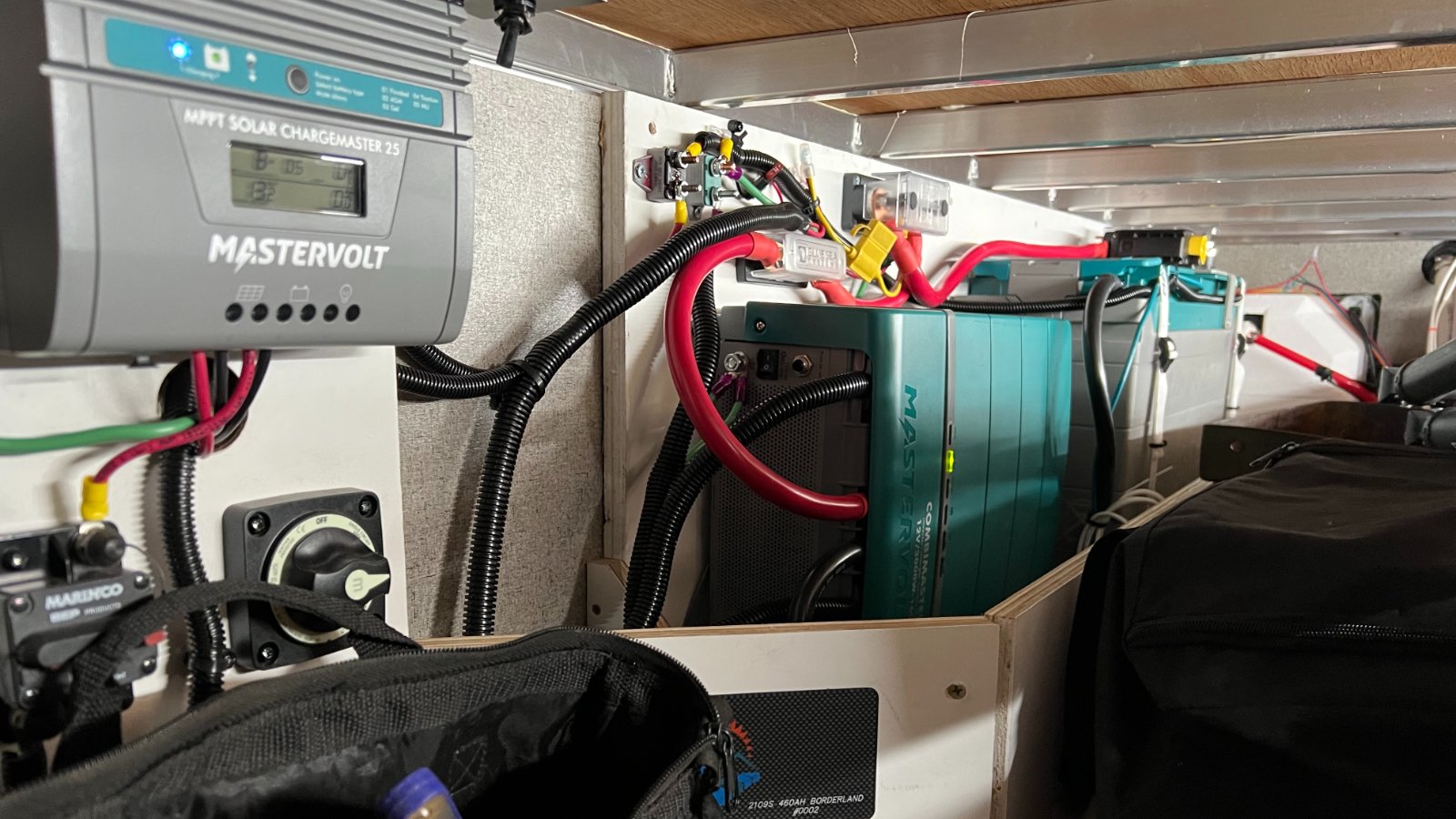
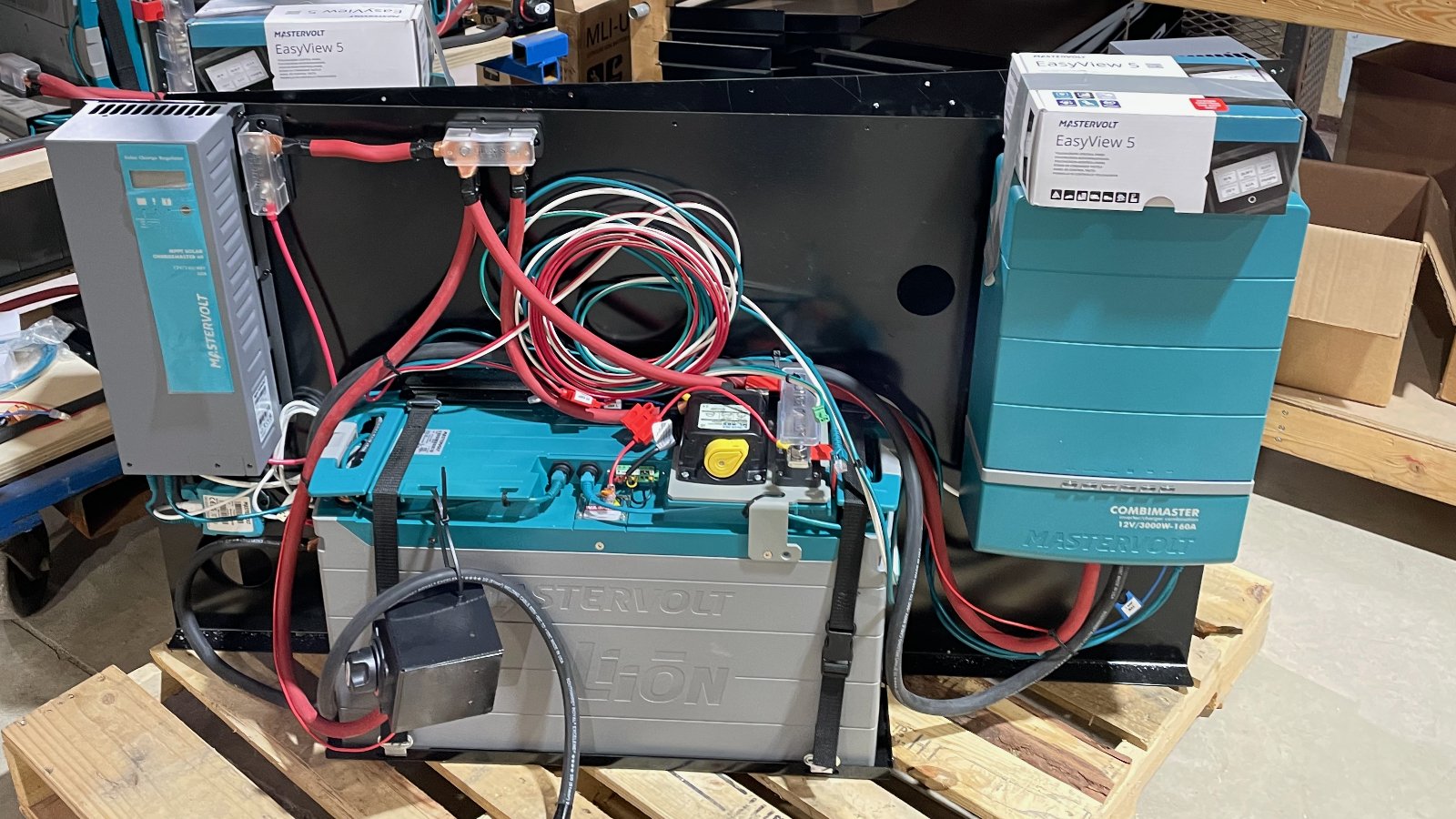
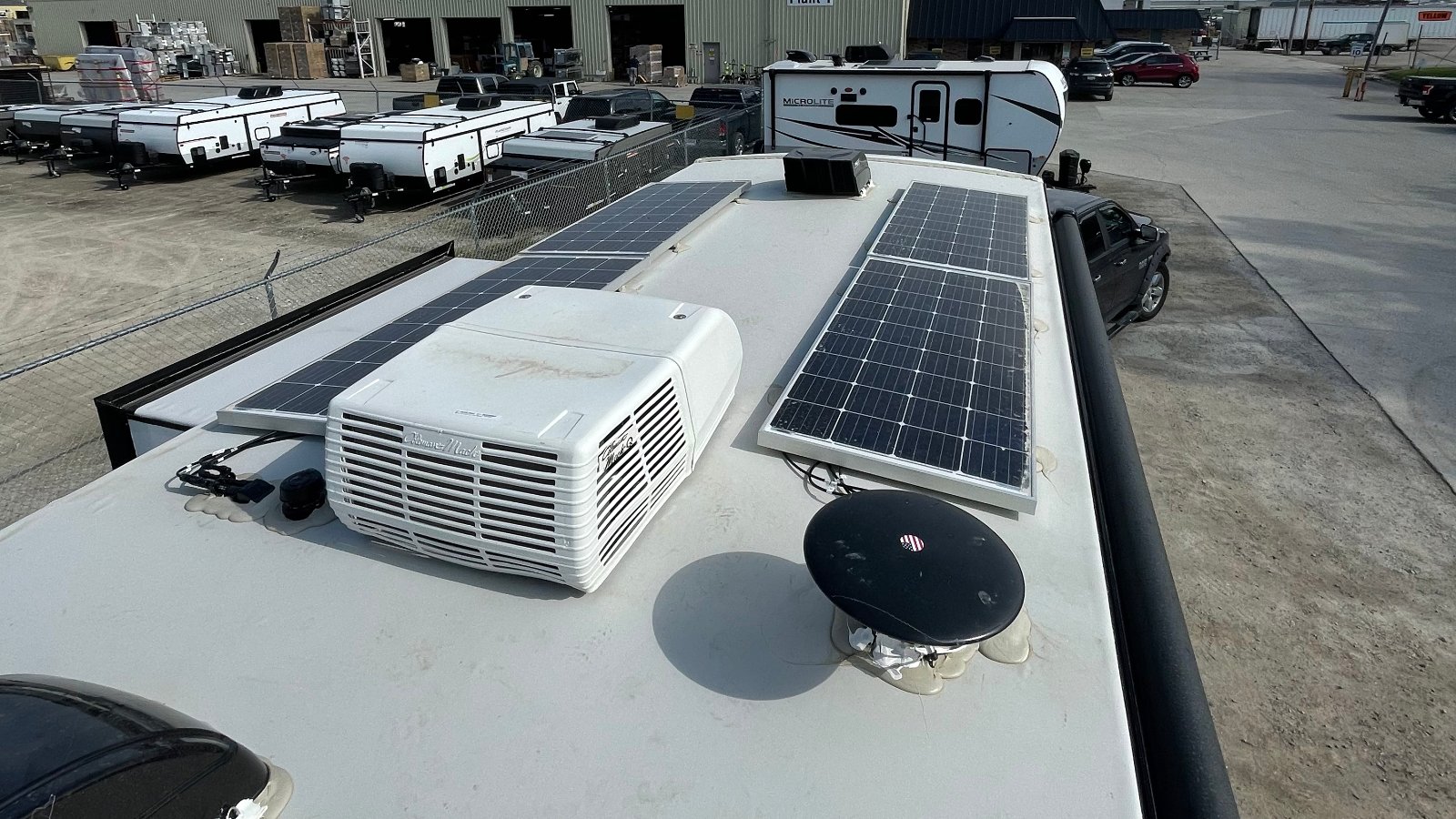
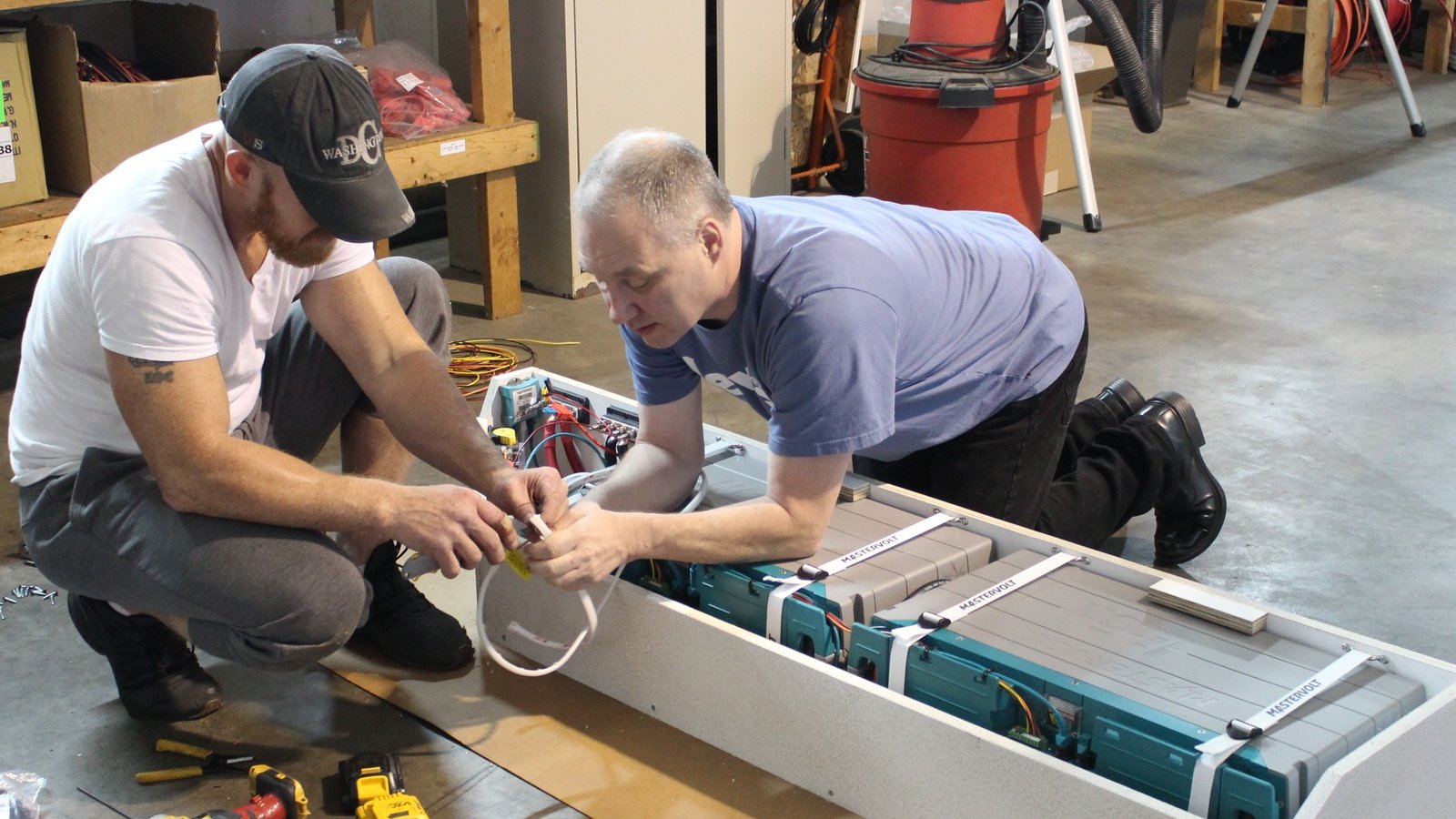
If you’re confused about solar, battery power or just want to upgrade your RV we have found the solutions from ABC Upfitters are both reliable and exceptional.
We have a podcast episode and video where you can learn more here.
Quiet, powerful and efficient RV AC - RV podcast 363
Automated transcript of StressLess Camping RV podcast episode 363
Peggy
Do you hate your RV's air conditioner?
Tony
Is it loud, noisy, and not really all that efficient?
Peggy
We got to try a brand new air conditioner that's easy to install, powerful, and so efficient we can run it on battery power.
Tony
Yep, and it's from a company that invented the RV air conditioner.
Peggy
We have this week's podcast along with the notes and all the stories to go with this episode, plus deals details, discounts, helpful tips, and more at our home on the web at stresslesscamping.com.
Tony
We really appreciate your likes and shares. Thank you for joining us for podcast episode 363.
Peggy
Stressless Camping.
Tony
I'm Tony.
Peggy
I'm Peggy.
Tony
And we're two RV industry veterans who travel part-time in a Rockwood Minilite, looking to share some big adventures and help you with great tips, tricks, and discounts.
Peggy
We have a friend who had— who's had actually a problem with her water heater for a couple of months, and she finally has analyzed the problem.
Tony
Yeah, it took a kind of a deep dive, but basically the way RV power outlets are wired for the most part is a really fast and not great way that the wires are plugged in. So at home, you strip a wire and you carefully tighten the wire on a plug, and that's how it's all installed, and you get good connection and it works really well. The RV industry, the way things are built, is they have these, uh, power outlets that have sort of a little V-shaped metal blade in the back, and they just push the wire down on it, and it makes a pretty minimal connection and electricity— or electricity, well, any electricity— the less solid that connection is, the more likely there's heat.
Tony
And you know what heat is sort of the originator of? Fire. Do do do.
Peggy
So fortunately, Kate did not go all the way to the fire stage, but unfortunately she came awfully close. And we'll put a picture of her outlet that was scorching, and that was why the power wasn't getting to her air conditioner— not her air conditioner, that's for a minute later— uh, her water heater properly.
Tony
Yeah, so we're gonna put a link in our show notes, which you can find at stressescamping.com. Mike Sokol, our friend, the RV electricity expert, wrote a whole article about this, and he has links to Kate's post and some good pictures too. But it's worth looking at your power outlets, especially in places where there's a high draw, and this was the electric side of the water heater, but things like fireplaces and other things where there's a continuous heavy draw, it could be a problem.
Peggy
So refrigerator, like the, the gas electric refrigerators?
Tony
Yeah, I guess on electric it could be also a problem. So
Tony
yeah, worth, worth keeping an eye on.
Peggy
Okay. Speaking of power, yeah, last week, yeah, we didn't have any. I don't know if we— if it was storm-related or accident-related, we never really did find out, and it's not that common for us, but we did have a power outage that lasted a couple of hours.
Tony
And you're like, well, what does that have to do with RVing?
Tony
Well, right, our Rockwood Mini Lite was sitting outside and fully charged thanks to our Mastervolt solar and lithium system that was installed by ABC Upfitters.
Peggy
That's right. So I was able to just grab the food that was actually cooking on the stove, on our, on our induction cooktop in the house. I took it outside and cooked it on the stove. We didn't actually have to, but if it had lasted much longer or if it was much hotter out, we could have turned on the air conditioner out there and gone out and spent the evening or slept or whatever we needed to do.
Peggy
So the freedom, not only for camping and boondocking, but for household emergencies, having that ABC UpFit is sometimes like a lifesaver.
Tony
Yeah, it may not just be for travel. I think a lot of places in the US, the electricity can go out. It did a lot where we came from in California. Yeah, you know, everywhere.
Peggy
Sure.
Tony
Stuff can happen, right?
Peggy
I mean, it doesn't have to be anything weather-related. Someone can run into a power pole and blow out a— what's it called? Trans—
Tony
yeah, transformer. It's more than meets the eye. But the other thing, uh, let's say you're at a campground and their power goes out, which is not unusual in summer. Or let's say you get there and find that your Power Watchdog is reporting, well, the power here is not so good. You can probably stay and get a discount for lack of power.
Tony
So having a good solar and lithium system is really more than just, I want to camp off the grid. There are a lot of times where it works, and we really like the one installed by ABC Outfitters.
Peggy
So if you want to learn more about ABC Outfitters, go to the source, give them a call at 574- 333-3225.
Tony
That's right, you have the power to call 574-333-3225 and they will be very happy to answer. And they will be very happy.
Tony
They'll be very happy to answer questions for you about your RV select critskity.
Peggy
Call ABC Upfitters.
Mark Ferrell
Yeah.
Peggy
Now I said a second ago that we could have been able to turn on our air conditioner when our house power went out. We could have turned on the air conditioner in the trailer and been comfortable. And you might be saying, oh, come on, because I know a lot of people say this, you can't run an air conditioner off your RV's battery.
Tony
Well, let's, let's think about this for a minute. RV air conditioners have not had any incentive to be more efficient. Because the typical thing is you take your RV to an RV park, plug it in, and use all the power that you paid for, right? Right. I mean, that's for since 1967 when Coleman Mach invented the category.
Peggy
That's, that's next week.
Tony
Oh, sorry. Um, that's the way it works is you go, you plug in and run the air conditioner, and the more the more air conditioners you buy. I mean, simple. Things have started to change in the RV industry where more people are interested in overlanding and off-grid camping and just having a more efficient system.
Tony
And Coleman Mach, which is AirXcel, has been working on a product they call the Everest for some time now, and we had the privilege of having one installed.
Peggy
Yes, and we will talk more about our trip and the installation process and things like that next week. But this week we wanted to introduce you to the Everest—
Tony
the Coleman Mach Everest VS18 air conditioner. So I think you had some questions and maybe I have some answers.
Tony
And we do have a full story about this, including my measurements of the system on battery power, at our home on the web at stresslesscamping.com.
Peggy
Okay, so what makes it different?
Tony
So typically the way an RV air conditioner and a lot of appliances work is they have two modes, on and off.
Peggy
Sure.
Tony
For example, did you know typically that's how your oven works?
Tony
That you set the temperature and it's like on, off, on, off to maintain the temperature.
Peggy
And your refrigerator.
Tony
Yeah, your refrigerator too. That is changing with a lot of electrical appliances, including this new Everest. The way it works is it slowly ramps up the compressor up to where it's producing a measured 18,000 BTU.
Tony
Now that's significant because most RV air conditioners are 15,000.
Peggy
This is even only 13.
Tony
Yeah, there are lesser ones too, like for vans and stuff like that. This is 18,000 as measured by Coleman Mach. And something I really appreciated, they have a UL lab on premises and we got to see all this extensive measuring, which we'll talk about next week.
Tony
But anyway, the way this works is it's sort of like slowly ramps up and then it can actually vary the power and the compressor and fan to basically achieve the results it needs to. So that means it can be like super blowing and delivering that full 18,000. But let's say overnight you don't need that much power, it can ramp down the compressor and fan so that it just maintains. And rather than on-off, on-off, and hot-cold, hot-cold—
Peggy
because that's pretty intense, uh, like, it seems like electric— electrical use.
Peggy
But also it seems like when you slam something on and slam something off, that's like not gonna last. That appliance isn't gonna last as long, it seems to me.
Tony
Yeah, I mean, you can sit in a lot of RVs and hear the compressor just like get a kick in the pants.
Peggy
Yeah, we can hear that on our house one too.
Tony
Oh boy, can we?
Tony
And it's right outside my office. And that's another reason why a lot of RV air conditioners need a soft start. You need something to kick that motor in the pants to get it rolling. Well, this instead starts off—
Peggy
gives it a gentle nudge.
Tony
Yeah, it just starts slowly, ramps up. And then instead of shutting off, turning on, shutting off, and turning on, it just runs continuously at different fan speeds and compressor speeds to keep the temperature where it is. So you don't get these hot-cold spikes like you would with a traditional RV air conditioner. It's a totally different way of operating, and it is kind of how a mini split works. And we're going to answer why not a mini split in a little bit.
Peggy
Okay, so since it doesn't have these like extreme kick-on, you don't need that extreme amount of power. That makes it easier for this air conditioner to run off of a lithium battery or a generator, right?
Tony
Yeah. So typically if you have, uh, let's say a 15— typical RV 15,000 BTU air conditioner, you You could run it on a 2,000-watt generator, but that 2,000-watt generator doesn't produce the power to kick it into gear to get it running. So that's why a lot of people put a soft start device on their air conditioner, because you essentially need to kick that thing off and make it run.
Peggy
But the Everest has kind of its own— the Everest built-in soft start because of the different way that it runs. Yeah, it doesn't.
Tony
So you could run the Everest on a 2,000-watt generator very easily. We were running it on battery power just because I wanted to see what it did, and it's remarkably efficient.
Tony
Well, good morning, New Mexico!
Tony
It is going to be a steamer today, I think. The hot air balloons are flying, the desert is deserting, as it were. We're going to test the new Coleman Mach Everest VS18. It's a new air conditioner from Coleman Mach. Now I'm going to test it on our battery system, which is a Mastervolt 460 amp-hour battery.
Tony
We have the CombiMaster, which is a 3,000-watt inverter, and all of that. This was put in by a company called ABC Upfitters in Good old Elkhart, Indiana. It looks like our state of charge is at 82%, so, uh, this should be interesting to see just what all this air conditioner takes today. Now I'm gonna— right now the inverter is turned off. I'm going to use the app here to turn on the CombiMaster, which is the inverter.
Tony
So now we have— I heard all the beeps inside. Now we have, uh, inverter power. Let's go turn on the air conditioner and see how much power we consume, shall we? Turn on some lights in here too, because why wouldn't I? Why wouldn't I use as much power as possible?
Tony
Okay, so this is what the new thermostat looks like for the new Coleman Mach. This is the old Suburban thermostat. And because of having put in a different air conditioner in the past, we had to put the separate thermostat, but you could normally control them both. So all you have to do, turn it on here, and this is how much noise it makes when it fires up.
Tony
So these inverter air conditioners are variable speed compressor air conditioners. They don't need a soft start, it's kind of built into them, and it just fires right up like that. Now if you'll notice here, it looks like we are pulling 13.7 amps. From the system on startup. Not bad at all.
Tony
I really do like this new Coleman Mach Everest. Uh, we'll explain that later. I will also be creating a spreadsheet of the consumption of this unit and decibel ratings as the day goes on. So it should be a good day for testing this because it's going to be hot. So here's a decibel meter.
Tony
When I shut my app, it was showing about 52 decibels. So all of you who want a quiet air conditioner, one that doesn't suck a lot of power, this is a good choice. It's 18,000 BTU apparently. Well, we'll be back later today with more tests.
Tony
Stay cool.
Tony
These things are so much more efficient than the typical RV air conditioner, and they're also— oh, something that can't be overstated— they're also much quieter. Uh, the most I measured out of this thing when it was just on its turbo mode— so it has different modes— but on turbo mode was 67 decibels. Using— admittedly, I'm not using some expensive test gear. I've got a phone and a free decibel app, but I could easily talk over it even at the highest speed. Basically what you hear is fan noise and not compressor noise, you know, like air moving noise, because it's blowing a lot of air.
Peggy
You know, if it wasn't raining today and it would have been so noisy in the trailer, we should have just gone out there with the air conditioner on. But that rain noise is gonna be difficult to get past.
Tony
Yeah, if you look at our review of that, I believe there are videos of just being in the RV with the air conditioner running.
Peggy
Okay, so good. So you said turbo mode.
Peggy
Are there modes? Can you control the modes?
Tony
Yes, there are several modes that this thing operates on. There's turbo mode, which is like, son, I need to cool you down now, right? It operates it at maximum performance.
Tony
Performance— okay— and run the compressor and fan at the highest speed. But it still ramps up the compressor to that speed. It doesn't just go ooh la la, here's power. And if you're boondocking, there is an eco mode that runs it at a lower speed. And while it still works to maintain temperature, it favors doing so more efficiently.
Tony
And then for a lot of our friends who are in humid places, there's a dry mode, and the objective of that is to remove humidity Humidity.
Peggy
We don't have that here. We probably will never use dry mode at home. No, because we actually run humidifiers, right?
Tony
And honestly, this is the only mode I wasn't able to test because our humidity here is like 9 to 15%.
Tony
In fact, I have to put lotion on because my skin dries out and cracks so badly here.
Peggy
So maybe we'll do a follow-up after we've been in the Midwest in the summer and it's very humid. And then we can give a little update about the dry mode.
Tony
Yeah, absolutely. Another thing that I really liked about the build of this unit is the way the ducted and non-ducted units are built.
Tony
It's the same unit and there's just sort of a baffle that you put in if it's non-ducted, uh, if it's ducted, and then you don't put that in if it's not ducted. So you don't have a bunch of different SKUs that you have to deal with. It's one unit. It's a whole surface of this almost is a filter, and it's really neat the way they— you know, I'm sure you have done the same as we, where it's like, oh, it's time to change the filter, and you're reaching up and there's those two filters on the side, then you have to move those tabs and eventually they break, and it's quite honestly fiddly and annoying. Right.
Tony
This, you just push it, it opens a giant door on the interior.
Peggy
Oh, it's one of those pushy pieces.
Tony
Yeah, it's like pushy open, pushy close things. Uh, it opens a giant door. Well, not giant, it's the size of the air conditioner shroud.
Peggy
It's giant compared to a lot of air conditioner filters.
Tony
Hello up there.
Tony
Something else I'd like to show you about this new Coleman Mach Everest VS18 that when I saw it, I'm like, that is flipping brilliant.
Tony
By the way, it is running right now, so there you go.
Tony
It's pretty quiet.
Tony
I really like the filter.
Tony
This whole surface is the intake and filter, and to change it or clean it, you just push like that and this drops down.
Tony
So it's a much larger filter than previously.
Tony
And then this filter, you can just wash it, you know, just run some water through it. So that to me is a—
Tony
it's little things like that that make these things better over time.
Tony
So that's a nice plus on the Coleman Mach Everest VS18. Kilroy was here.
Tony
The convenience is so much better than typical air conditioning units. So there's a lot of attention to detail that went into this.
Tony
Okay, the way the thermostat works— so in the past, your thermostat kind of just said turn on, turn off. And it was a signal to the air conditioner. I'm not really describing this well, but this thermostat is smart, and it's a, it's a 4-wire lead to the air conditioner, and it's a digital thermostat. It does sit on the wall, and that's something that's different than the Furrion Chill Cube, which we'll talk about in a bit. But it sits on the wall, and it has all the different modes, and it can operate the furnace and the air conditioner in your RV.
Tony
It doesn't in ours because when we installed the Furrion Chill Cube, we cut the thermostat wires for the furnace. Oops. Yeah. And we could— we just couldn't reroute them. All of the thinking is done in the air conditioner unit on the roof itself.
Tony
And so we would have to reroute the wires up to that for the furnace. And oops, we, we cut them.
Peggy
So, so we have a separate thermostat for our air conditioner one for our heater, right? Which is fine because it's a rare but not impossible periods of time where you need the heater in the morning and the air conditioner in the afternoon and then the heater in the evening, right?
Tony
Anyway, it's, it's, it works pretty darn well.
Tony
And something that we have seen that we actually have in our hot little hands that we can't use yet is a wireless thermostat where you can use your phone to control the thermostat. However, the backend technology to make that work isn't quite finished yet, but it— know that it's coming and it'll enable you to use your phone to control the furnace and the air conditioner.
Peggy
So once they give us the go-ahead on that, we can install that.
Tony
Well, we have to get a— another— there's another piece missing.
Peggy
Yeah.
Tony
So, but yes, that's—
Peggy
well, that would be giving us the go-ahead. It's giving us that— I guess so. Okay.
Tony
So another thing to know, when Coleman Mach basically invented the category, they saw the vent holes on the roof of RVs, which is a 14 by 14 hole, and said, hey, let's make the air conditioner so it fits in there.
Tony
And this air conditioner and just about any other RV air conditioner, those rooftop-mounted air conditioners, fit in that hole. And it's such a standard in the RV industry that you don't really want to go around that unless you desire fiddling and doing all kinds of stuff. But, you know, as long as you have 120-volt at the, at the hole and a 14x14 hole, which you probably do, um, you are ready to install this unit. So it's, it's That standard of thing. Now I know a lot of people are like, well, what about 12-volt air conditioners?
Tony
What about 48-volt air conditioners? And those are out there. Here's the thing, if you have to run a 12-volt air conditioner, you're going to need some fat wiring to go from the battery or whatever your power source to the air conditioner.
Peggy
So you're running expensive fat wiring up to that 14x14 I saw them try to run a little wire up through the walls, and I— they struggled enough with that. I can't imagine trying to get a big fat wire.
Tony
And chances are, if you have an RV already, it's got the 120 wiring. So that's why these things are 120. It just— with the industry the way it is, it's just the standard, and it makes it really easy to drop one of these in. So that's why they're 120 and not 48-volt and 12-volt.
Peggy
Now I do have a question.
Peggy
Yes. A lot of times you might put an air conditioner where there was a fan, a vent fan before. The vent fan ran off of 12-volt. Can you just use that 12-volt from the vent fan or is that not enough 12-volt power?
Tony
No, it wouldn't, it wouldn't be anywhere near enough because the fan uses so little.
Tony
Right. And chances are A lot of those square holes in the ceilings, there's already 120 there. Even if they put just a fan, right, a lot of times they wire it— it's wired for an air conditioner. It depends obviously on the RV, but that's not uncommon.
Peggy
Okay.
Tony
Um, and the 12-volt for the fan is— that's nowhere near enough power to run the air conditioner. In fact, it may not even be enough to run the fan in the air conditioning, let alone that compressor. That's a, that's a fairly high draw.
Peggy
Sure, sure. So do you want to give us a little bit of a comparison?
Peggy
Now we've tested the Furrion Chill Cube and the Coleman Mach Everest. Do you want to give us some thoughts about the difference or same?
Tony
Or— yeah, I'd say in terms of functionality, they're very close. They're They're both reportedly 18,000 BTU. The Chill Cube is available as either a ducted or non-ducted, but they're different units.
Tony
And actually, if you do not have ducts in your air conditioner, the Chill Cube has done some pretty magical things with the way they use condensation to cool the unit. But if you have ducted, I'd say the Coleman Mach and the Chill Cube are very close. The Chill Cube has that vent in it that kind of moves up and down. The Coleman Mach does not have that, but it does blow out the sides and through the ductwork. So they both take advantage of the ductwork.
Tony
The Chill Cube has a wireless remote, and its party trick is that it has that follow me function. However, that only works if the remote can physically see the interior shroud of the air conditioner.
Peggy
So, so what's supposed to be good about it is that you could maybe take it in the bedroom overnight and the air conditioner would keep the remote, therefore you, at the right temperature. Correct. But if you go in the bedroom and close the door and they can't talk to each other, right, they can't see through walls, right? It
Peggy
has to be like a direct line because it's infrared.
Tony
So that is the end end of that follow me function.
Peggy
So maybe if you had a big open space, you know, a big, a big fifth wheel where the air conditioner is way up here and you want to be cool sitting way back here, that's good for that, but it's not good for separate rooms and stuff.
Tony
The other thing, the Chill Cube blow kind of blows one way out, and in some installs I've seen where it's like, let's say it's at the back of, of your RV, it blows towards the back only, whereas this blows out both sides. So each has advantages and disadvantages. I
Tony
would say they're both really good units, and we, we had zero issues with the Chill Cube, right? And it was also really the, the first mainstream air conditioner to offer this technology. And now Coleman Mach, they do a lot of— now something we did get to see is And we'll show you this next week, but we saw the factory tour and the test lab at Coleman Mach. We got basically a full access pass.
Peggy
We won't show you all of it.
Tony
No, we can't show you all of it because some of it had forthcoming stuff. Yeah, but it was pretty impressive how they test and evaluate things there. Uh, I don't know if Furion offers the same or not. I would imagine they do. Sure, because it's a big company that knows what they're doing, but we don't— we didn't see it.
Peggy
Are, by the way, are Chill Cubes and/or Everest's heat pumps, like, do they do the reverse thing where you can also run it for heat?
Tony
Eventually, but neither one yet at this point. I think the Chill Cube is just coming out with it or about to have it. And the Everest is going to have it. And essentially the way that works is there's just a valve, it switch— it basically reverses the thing so that the heat comes out the inside and the cold goes out the outside.
Tony
Basically, in RV, any air conditioner, refrigerator, all those things are just heat exchangers, right? They move air at certain temperature. They move temperatures kind of from one side to the other, right?
Peggy
So if you're using the air conditioning and you're getting that cold air blowing, there's some hot air that goes with it and it goes out with where it's already hot anyway. Right.
Tony
Yeah. And that's just not a bunch of hot air.
Peggy
Okay. So a little while ago, kind of at the beginning, you mentioned mini splits and said you would talk about the difference and why not use a mini split. Is it one advantage of mini splits, the fact that it has a heat pump, or is that always universal? They can.
Tony
That's also— it's not universal, but a lot of them do. Mini splits are cool, pun intended. Mini splits are neat because they're very efficient, they're very quiet, as are these new RV air conditioners. The disadvantage of a mini split is you have an outdoor, a complete unit outdoors, and then a complete unit indoors.
Tony
And the outdoors unit is where the compressor and and all that is. And then it runs the cool air— well, it exchanges the air through coolant lines from the outside unit to the indoor unit. The issue with the mini-split from an RV production standpoint is that the mini-split would have to be installed by someone who's a certified RV tech, right? On the assembly line, you'd need somebody who knew how to run those lines and make sure that they don't leak and all of that.
Peggy
A certified RV tech or a certified air conditioner tech.
Tony
Excuse
Tony
me. Then if there is a technical issue, your RV tech, your local RV tech, or wherever, your dealership would also have to know how this all worked and plumbed and would have to be able to discharge and recharge the refrigerant. And correctly install the lines. In other words, it's— it— from a production standpoint, it's easier to just— here's the unit, it goes in a hole on the roof.
Tony
Yeah.
Peggy
And with that zippity-doo-dah with those mini splits, so you might run into the same kind of a problem. I know like some of the big fifth wheels and motorhomes put like actual residential refrigerators in their RVs, and then when something goes wrong with that refrigerator, the RV tech doesn't know how to fix it. It's not a 12-volt or a gas electric fridge, and sometimes an appliance repairman won't work in an RV.
Tony
Yeah, we had a lot of them when I was working warranty service at the dealership. A lot of the appliance techs are like, yeah, I'm not, I'm not working in that.
Tony
It's not— there's not enough space around the fridge for cooling and all that. So yeah, the same kind of problem could happen with a mini split.
Peggy
A mini split expert might not be willing to go in and work in an RV, and an RV expert doesn't know how to work on—
Tony
yeah, so basically, yeah, from a production standpoint, it's easier to just ship a packaged unit that fits in an established hole for RVs. And I also asked, what about making these RV units serviceable?
Tony
And it's the same issue. They did that. There were a lot of warranty issues that, well, whose fault was it? Was it the RV tech who worked on it? Was it a manufacturing defect?
Tony
It's easier to just— here's a unit, it works from the factory— and just swap it out. And anybody can, you know, swap out an air conditioner. And unfortunately, that's why things are the way they are. It's just easier from a manufacturing and production standpoint to do things the way we're doing things. So, so the bottom line, if you are tired of a loud air conditioner that doesn't do a great job of cooling, and you are thinking, well, maybe I should switch, I can't recommend this Coleman Mach-Everest more highly.
Tony
It just, it really works well. And again, we have a full article at stressescamping.com with the results of my, uh, energy test and all of that.
Peggy
You know what, I just thought of a question. I mean, we don't have it written down, but oh, I know that in general an RV air conditioner can make the air inside cooler than the air outside by about 20 degrees. Is that true of these as well, or are these even better at cooling the inside air?
Tony
I'd say they are better. Yeah, but it's not going to be—
Peggy
it's not like you're going from 100 to 60, right?
Tony
Okay, so the trick to this, and this is some— all right, uh, Peggy had asked a little bit ago about temperature change. They're still about 20 degrees.
Tony
There's, I believe, with the higher BTU measurement, they are— there's a greater volume of air, so it may do a better job of cooling this space.
Peggy
Sometimes you don't have to have cold, you just have to have movement of slightly cool air to make you feel better.
Tony
Well, what I found the other day, it got close to 100 degrees degrees here in America. It was like 98, 99, it was that close. And I had been running the air conditioner in the trailer all day, so I started cold.
Tony
I started when it was cooler, and I didn't open the shades because that just lets the heat in. And so smarter about keeping it cool rather than trying to cool it. And then remember also, these units don't on-off, on-off, on-off, and so they theoretically that too will help keep things cool rather than trying to compensate for, oh my gosh, it's hot, oh my gosh, it's not hot. Right, right. So anyway, I, I like it quite a bit.
Peggy
And as we said, next week we will talk a little more about Eric Sell and Coleman in general.
Tony
It's pretty fascinating. Yeah. And watching them build stuff in their factory was I was really, really like happy to see this. Yeah.
Peggy
So, so we'll see you for that next week.
Tony
I sure hope so. And thank you for nerding out with Tony and Peggy. Speaking of nerding out, I just want to say you may have noticed a few changes in the video quality over the last 20 minutes. We've been been trying some new stuff, including a new camera.
Tony
The camera overheated and shut down. Yeah, twice. Uh, so I'm not so sure this was such a great thing. We'll see. I mean, it is what—
Peggy
I
Peggy
mean, you know, I think it's been like for the last 2 months, every week we're like, we're trying something new.
Tony
Oh yeah, we are. I mean, do you really watch this to see our faces? I don't know.
Peggy
I don't know that you're watching something more interesting than our Moz.
Tony
Yeah, I mean, let's be honest, audio podcasts are still the core of what we do. Liquified line of tank treatments and RV cleaning products.
Peggy
All those things. Everything looks really, really good on the outside of our RV regardless of what it looks like here on camera.
Tony
But did you know that some RV tank treatment can actually damage the septic systems at campgrounds, and a lot of campgrounds use septic, right?
Tony
Peggy knows more about this than I.
Peggy
Kind of the whole point of a campground for the most part is to get out of town, right? And a lot of sewer systems just aren't gonna go all the way out there and pick up the sewage and bring it to the treatment plant. So as Tony said, a lot of, especially usually the more rural campgrounds are on septic systems. Septic systems are their own biological thing.
Peggy
Yeah, they really require— it's not just a hole in the ground. They really require very specific, you know, conditions, temperatures, and organisms and things that are going to help break down all that stuff. Now we talk about stuff breaking down in the black tank. It really doesn't— it starts to dissolve, but it really doesn't break down in the black tank. It's just not there long enough.
Peggy
Well, those septic systems really— certain chemistry, a certain biology, and if you put really harmful chemicals into that septic system, you could slow down, harm, even destroy a septic system that isn't maintained properly.
Tony
And you know why you care about that is it costs those campgrounds money to fix these problems, and that means they, they raise the rates because it's not like it's out of their pocket.
Peggy
They raise the rates, or they don't offer dump station anymore, or, you know, if you want that kind of service service at a campground without paying tooth and nail for it, you will be kind to the earth and to the septic systems and to the campgrounds. Now, I'm not saying that you have to do this because you're kind. I'm saying you have to do this because it'll save you money.
Peggy
Right. Okay, so that's what's in it for you.
Tony
That's another reason we really like the line of Liquefied Tank Treatments, and they just It works, it's environmentally friendly, and they're pretty good people there at Liquefy too.
Peggy
And I refuse to say what you wrote. You're just going to have to say that part.
Tony
Yeah, so essentially what it's made out of is microorganisms that find what's in your black tank to be delicious. So if you want a tank treatment that works, get Liquefy. We have links in our, uh, show notes.
Peggy
Okay, so last week's question of the week, because we were talking a lot about electric RVs: is electric RV the solution to nobody's question?
Tony
I think the bottom line that we found is yeah, yeah, they're, they're cool and all, but even as a nerd, there's nothing about it that excites me. And
Tony
it also, it's a little— if they do go broke, who's going to maintain the software? So they're too software-based.
Peggy
That's it.
Tony
Yeah, technology and what it can do. But I want it to also, in a vehicle, I want it to be a long-term solution.
Peggy
So this week it really comes out of— the question is related to something we've talked about, but it's just a question. Well, it's kind of related. The question is, have you ever driveway camped, like in your own yard? And really, it does come from something we talked about, and that was when our power went out and we didn't have any air conditioning or lights in the house. Yeah, we might have ended up sleeping in the driveway in our camper.
Peggy
And for whatever reason, maybe it's a new camper and you want to test camp before you actually drive away from home. Maybe you've had a power outage. Maybe you have house guests and there's too many people, so someone has to use the camper as a guest room. Maybe you just want to go— actually, uh, Sisters on the Fly has a thing in February that is like a virtual campout together, and a lot of gals just go out and camp in their driveway because they can't— you know, it's February, it's cold, they don't have— they can't go somewhere to go camping, but they're dying to go in February. February, right?
Peggy
Like, it's been 3 months, I haven't been able to. Uh, have you just camped out there just because you want to go camping but you can't go anywhere?
Tony
Well, you can answer those questions at our fun and friendly Stressless Campers Facebook group. Show notes too. So don't forget to like, share, and subscribe so you don't miss out a future episode of the Stressless Camping RV Podcast.
Peggy
Thank you for joining us for episode 363, all the segments of it, on all the different camera angles. Yeah, of the Stressless Camping RV Podcast.
Tony
Don't forget our one source deals, discounts, and links to your inbox to make your RV adventures stressless camping.
Mark Ferrell
We hope you learned a lot and had some fun and got some tips for your next stressless camping adventure. We're honored by your reviews on Apple Podcasts, which helps others find us too.
Mark Ferrell
Don't forget to subscribe so you won't miss out on the adventure, and we look forward to your joining us next week. Until then, happy camping!


